
Electronic Brachytherapy: Non-Surgical Skin Cancer Treatment in PA
Basal cell and squamous cell carcinoma treated without a scalpel, stitches, or a surgical scar. Alpha Dermatology has been a pioneer in electronic brachytherapy for more than a decade, with thousands of skin cancers treated and results published in the peer-reviewed literature.
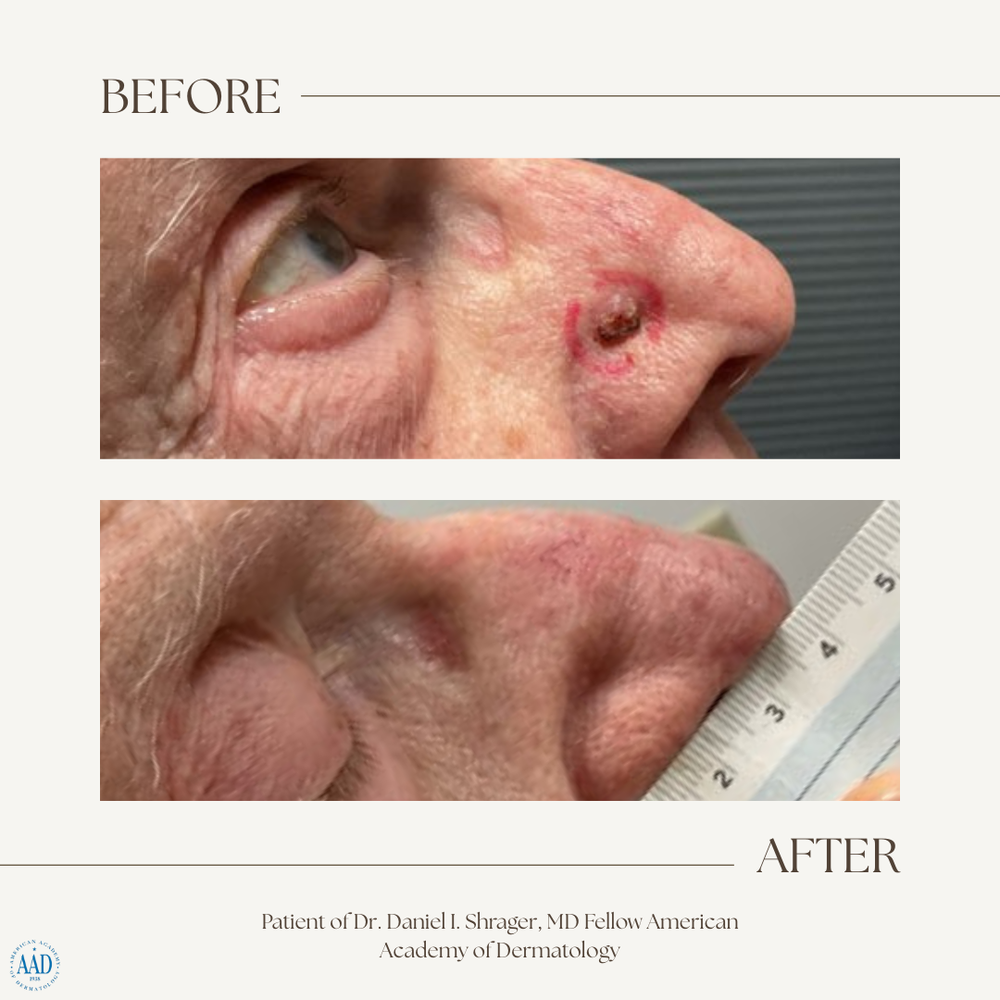
Featured Results
Every photo below is an Alpha Dermatology patient treated by Dr. Daniel Shrager. Many of these cancers were on the nose, lips, ears, and scalp — places where surgery is hardest to hide.
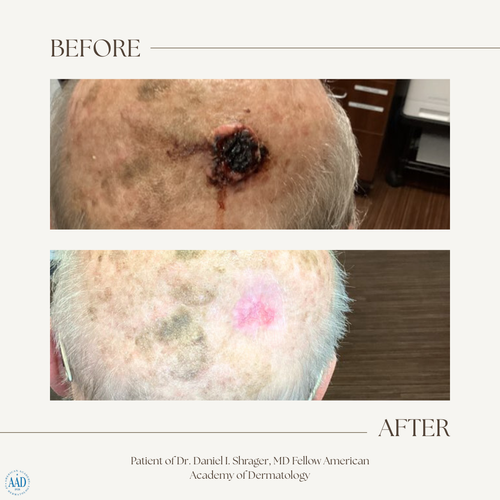
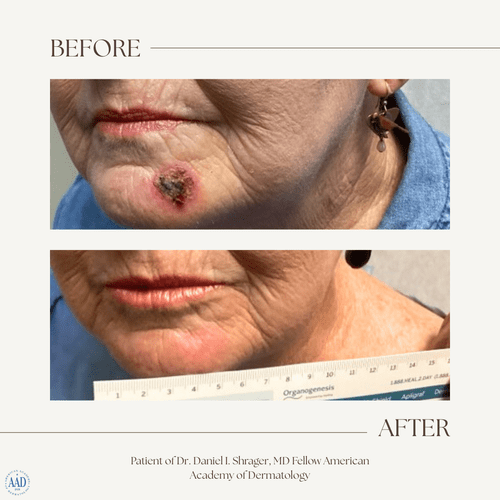
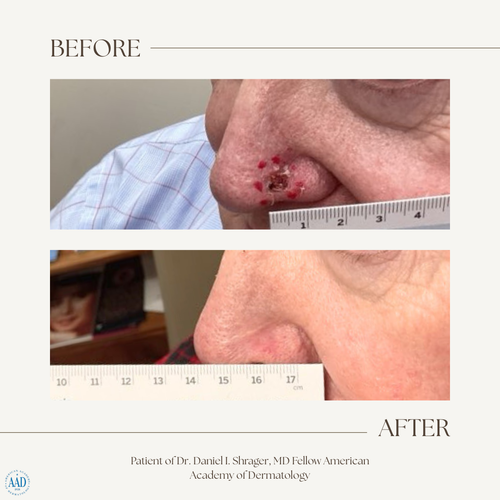
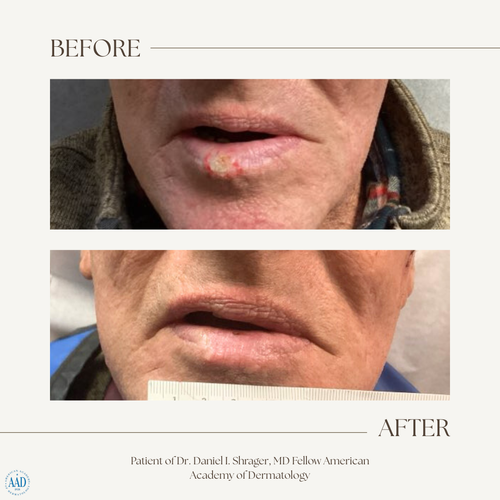
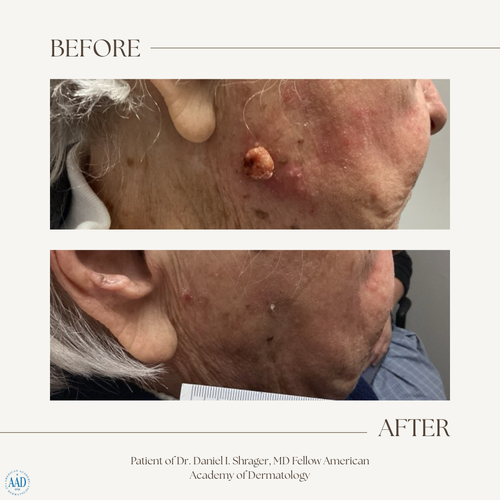
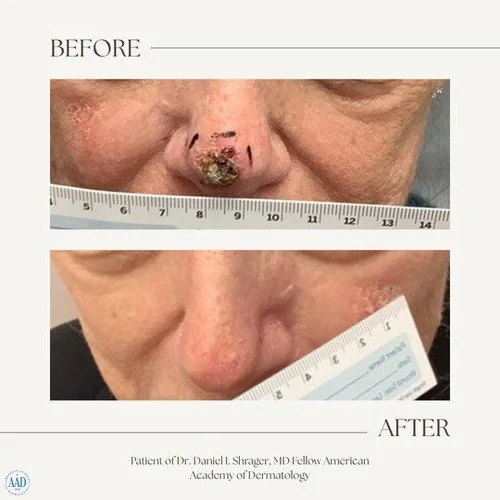
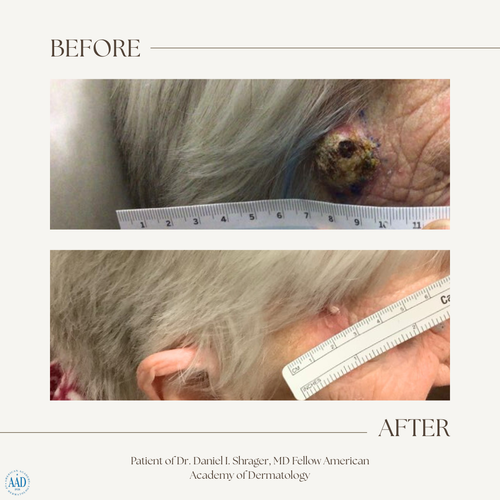
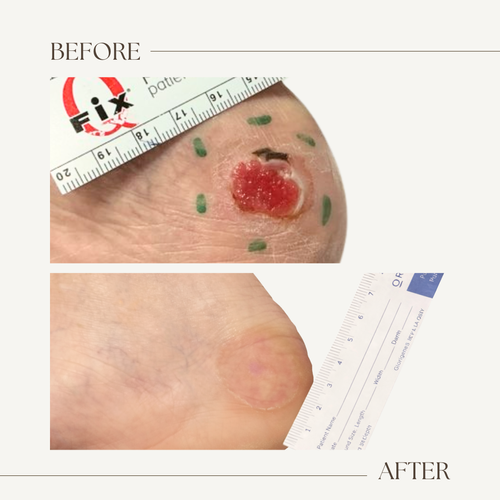
Individual results vary. Photos are unretouched and shared with patient permission. Patient of Dr. Daniel I. Shrager, MD, Fellow, American Academy of Dermatology.
What Is Electronic Brachytherapy?
Electronic brachytherapy is a modern form of radiation therapy that delivers a precise, low-energy dose directly to the surface of the skin where the cancer lives, sparing the healthy tissue beneath and around it. Because the energy is low and tightly focused, it can be delivered in a standard exam room — no hospital, no heavy shielding, and each session takes only minutes.
Dr. Shrager has used electronic brachytherapy and superficial radiotherapy (SRT) for well over a decade, with a particular focus on cancers of the nose, ears, lips, eyelids and scalp — areas where surgery often means grafts, flaps, or visible scarring.
"Alpha Dermatology is a pioneer in the field of electronic brachytherapy for the treatment of skin cancer."
How Treatment Works
Consultation & biopsy review
Dr. Shrager reviews your biopsy, examines the site, and confirms whether non-surgical treatment is the right choice for your cancer.
Brief office sessions
A small applicator is placed over the lesion for a few minutes. No needles, no anesthesia. You drive yourself home and go about your day.
Follow-up & confirmation
Skin may look pink or dry during the course, like a mild sunburn, then settles. We follow you afterward to confirm the cancer is gone and the skin has healed.
Am I a Good Candidate?
Non-surgical treatment isn't right for every skin cancer, but it is an excellent option for many. It is typically considered for patients who:
- Have a biopsy-confirmed basal cell or squamous cell carcinoma
- Want to avoid surgery on the face, nose, ears, lips, or scalp
- Take blood thinners or have conditions that make surgery riskier
- Have had prior surgeries and prefer a non-invasive approach
- Have multiple lesions or a lesion where surgical closure would be difficult
Electronic Brachytherapy vs. Mohs Surgery
| Electronic Brachytherapy | Mohs Surgery | |
|---|---|---|
| Cutting / stitches | None | Yes, with closure or graft |
| Anesthesia | None | Local injections |
| Visit length | Minutes | Often several hours |
| Wound care | Minimal skin care | Daily wound care for weeks |
| Scarring | Typically none | Surgical scar |
| Best for | BCC/SCC, cosmetically sensitive sites | Aggressive or deeply invasive tumors |
Read the full comparison: Non-Surgical Skin Cancer Treatment →
Before & After Gallery
A complete look at outcomes from our Sellersville and New Hope offices. Click any image to enlarge.
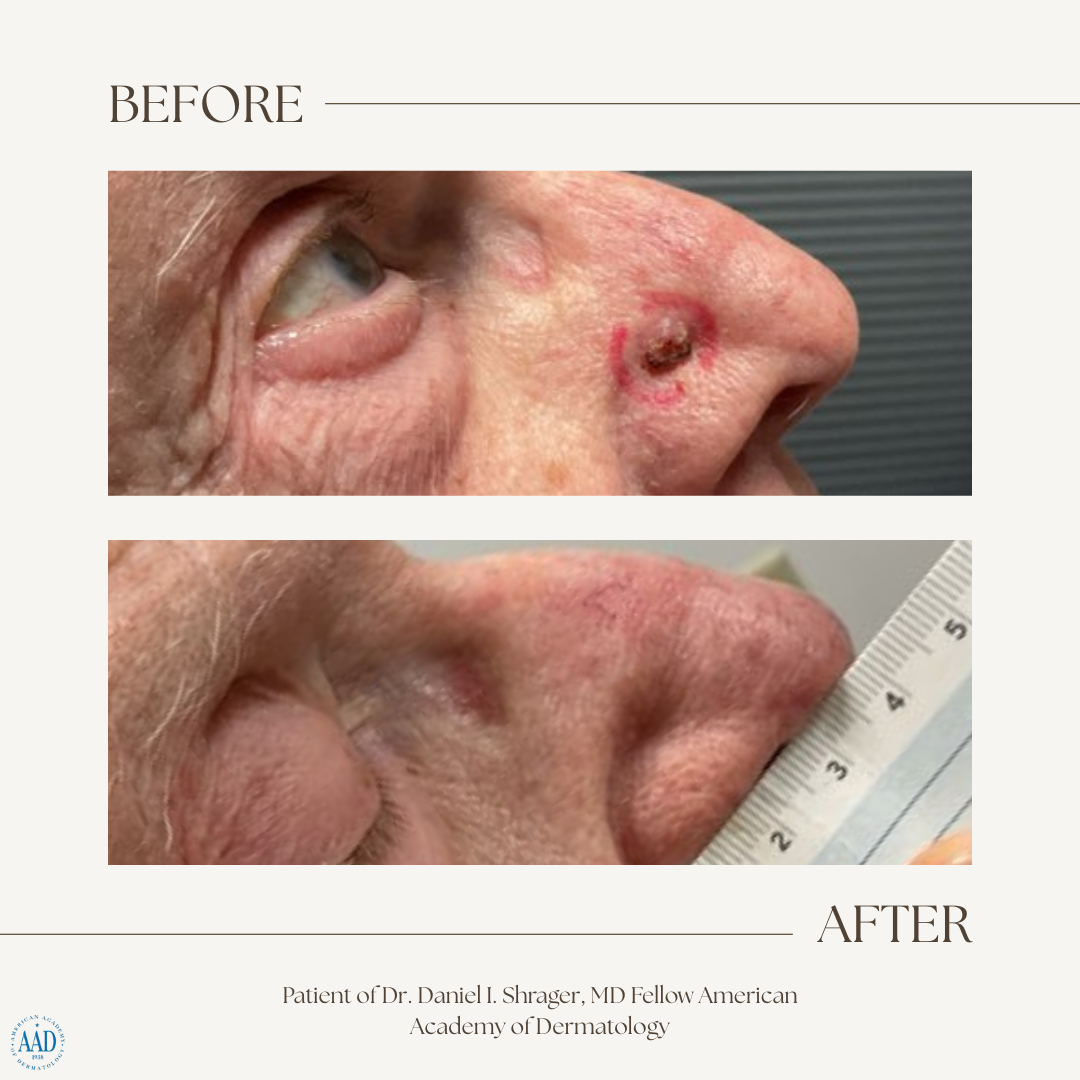
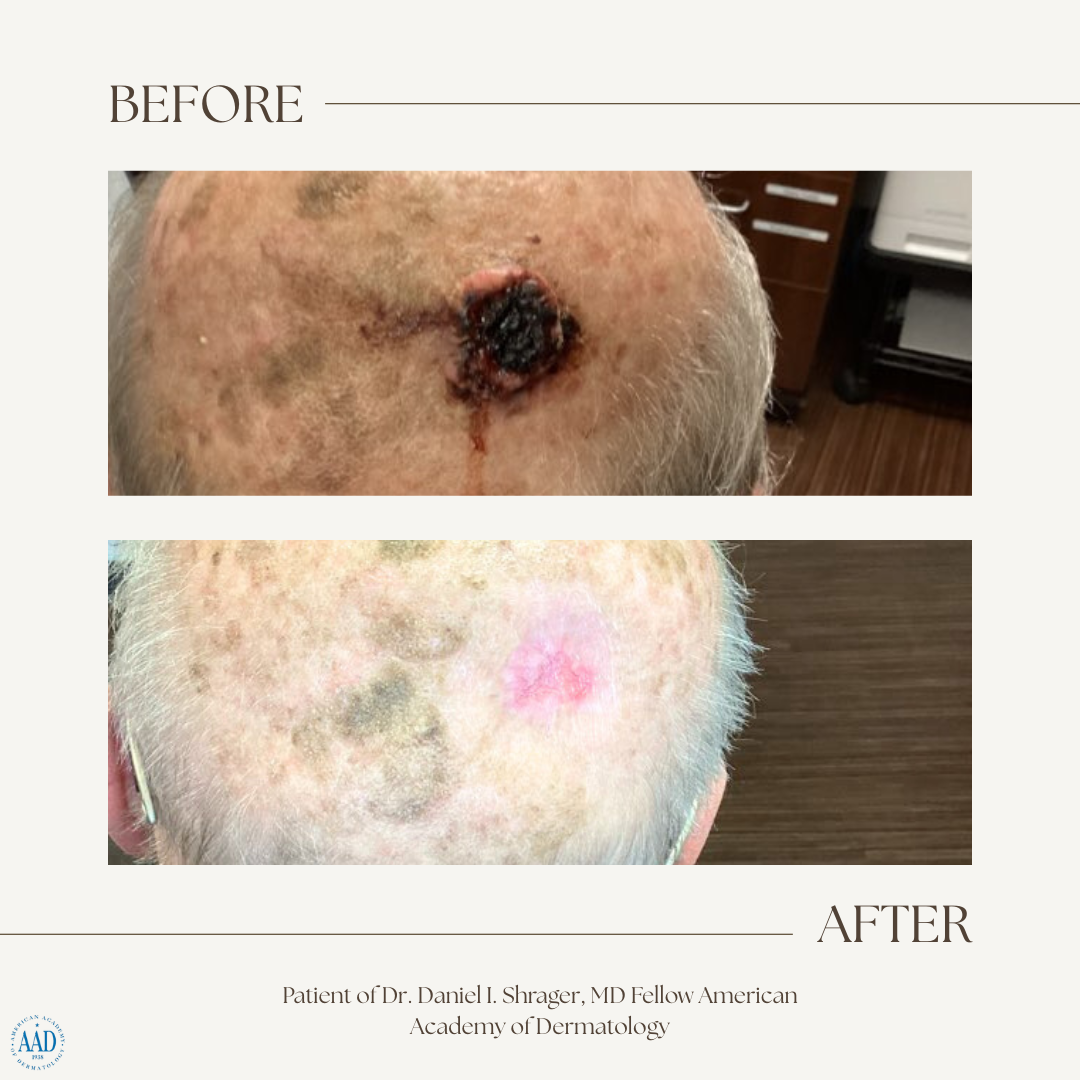
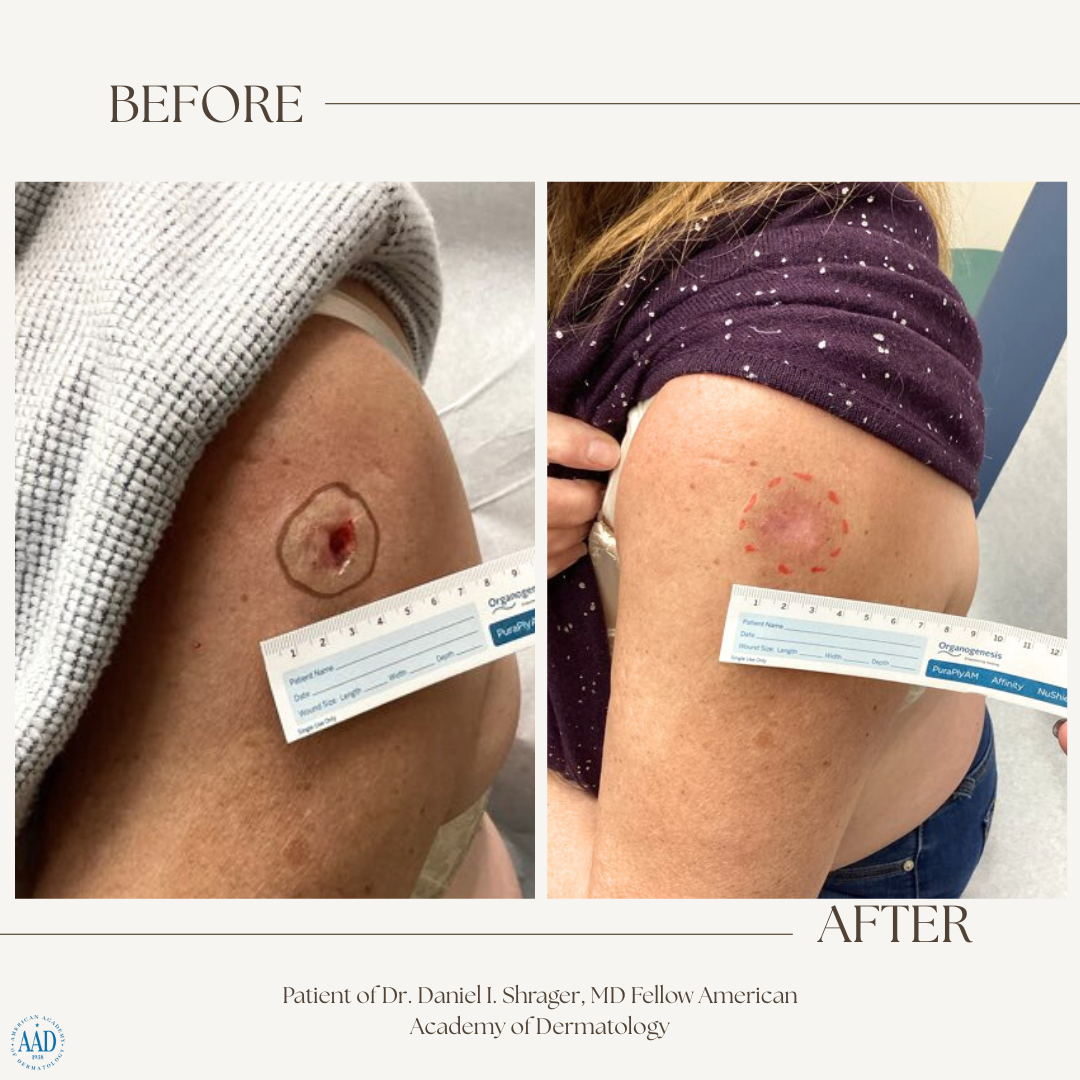
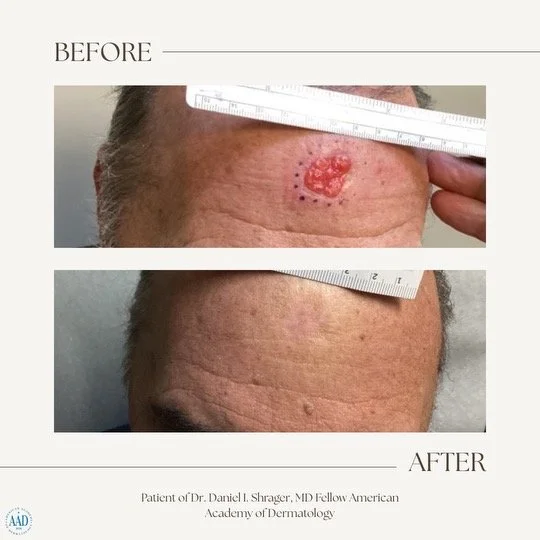
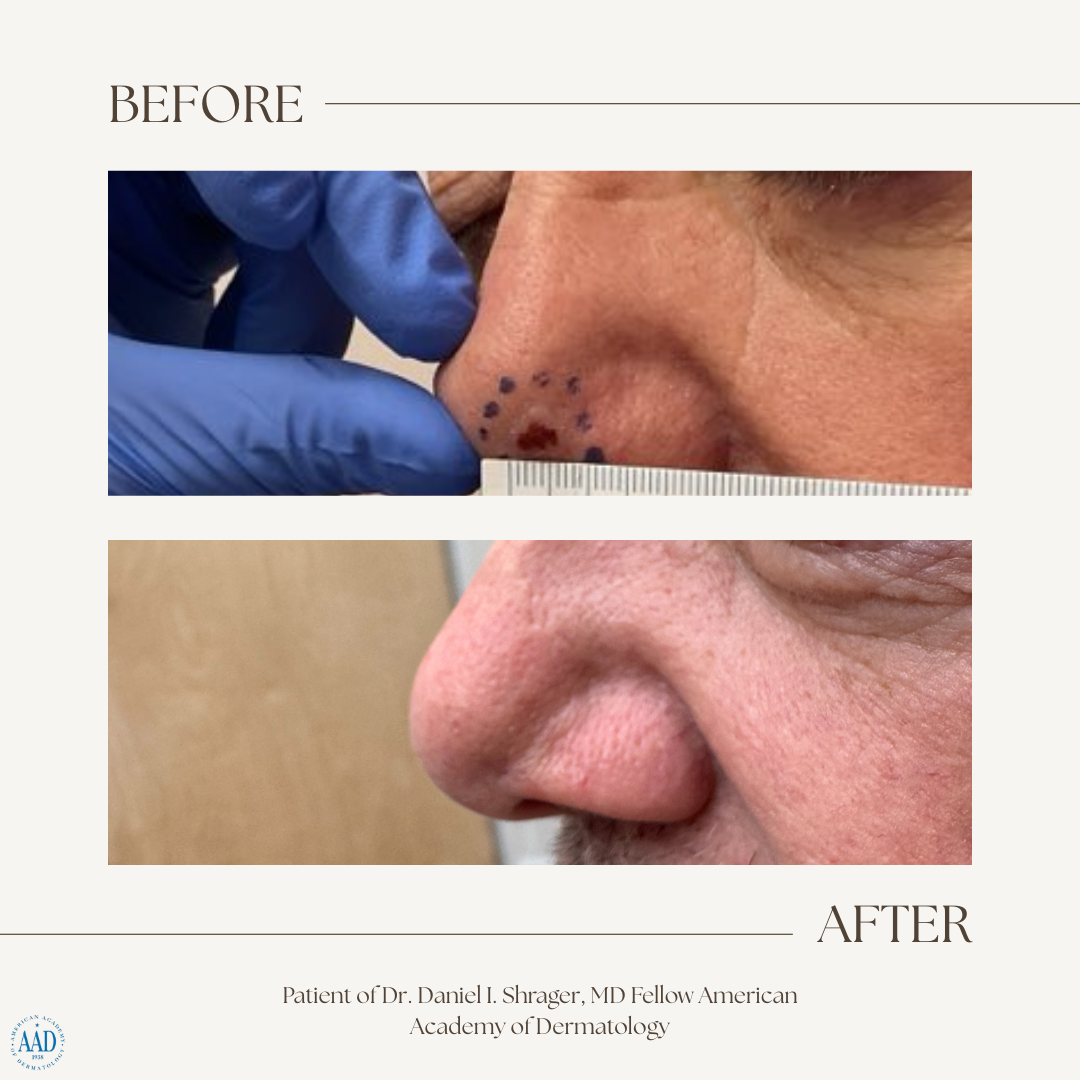
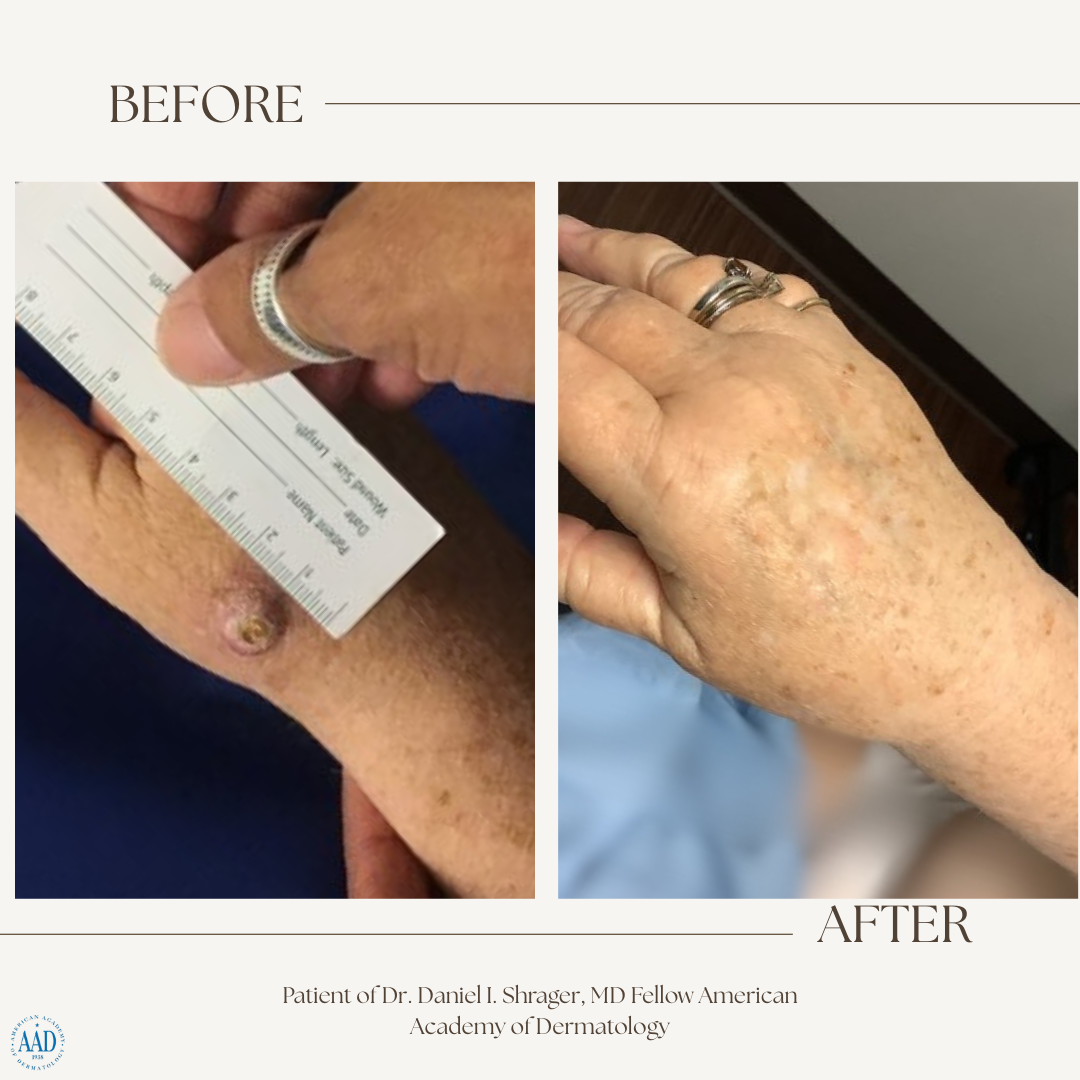
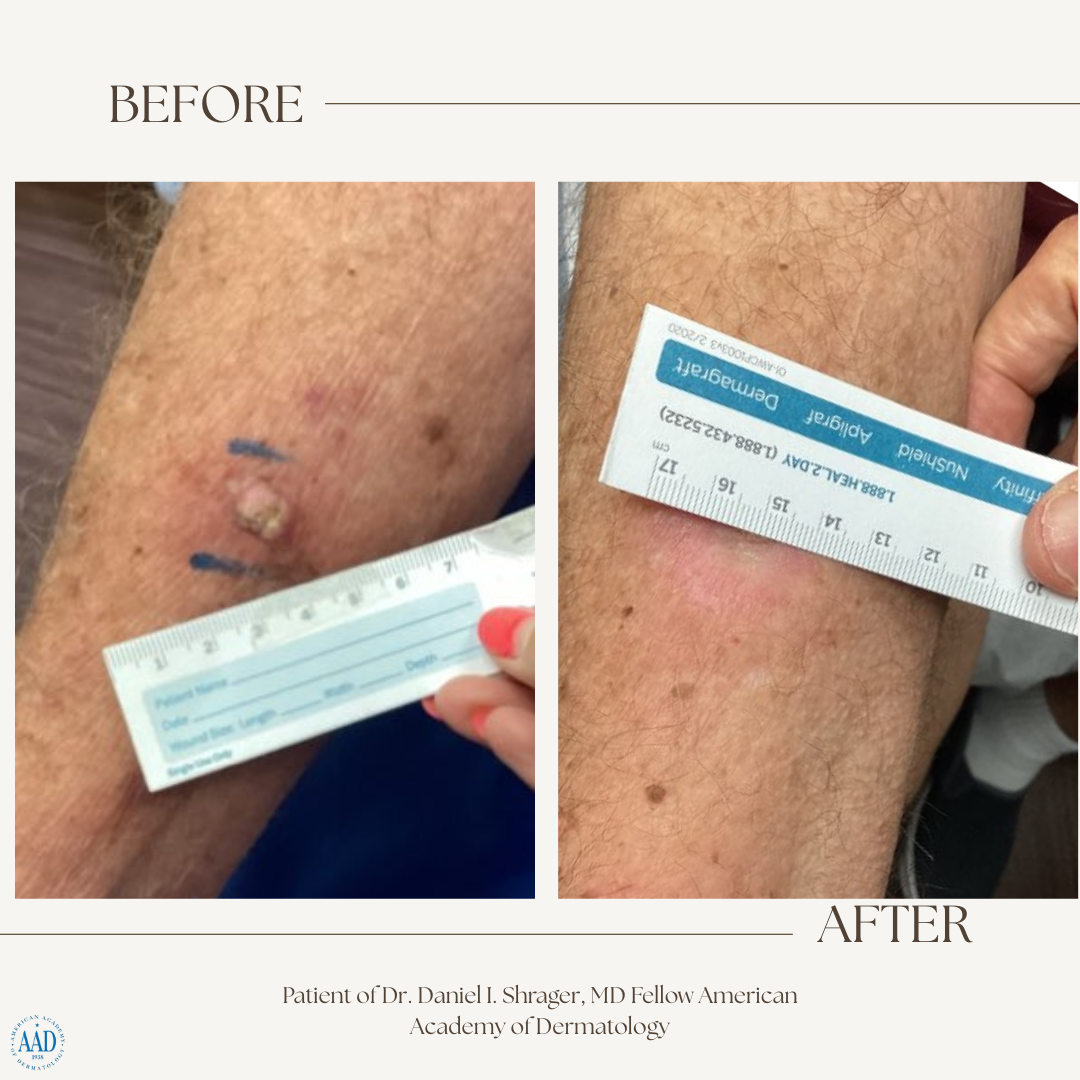
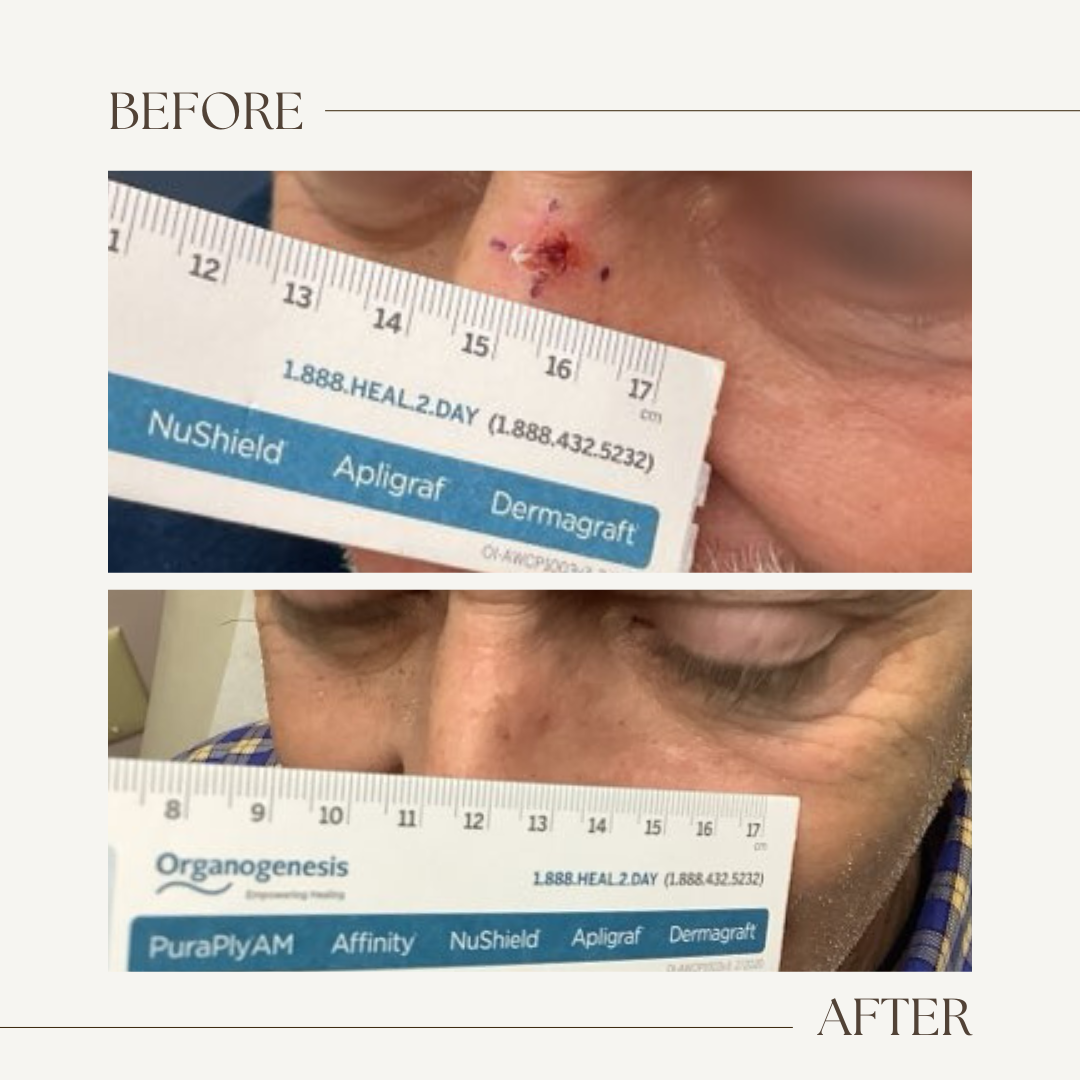
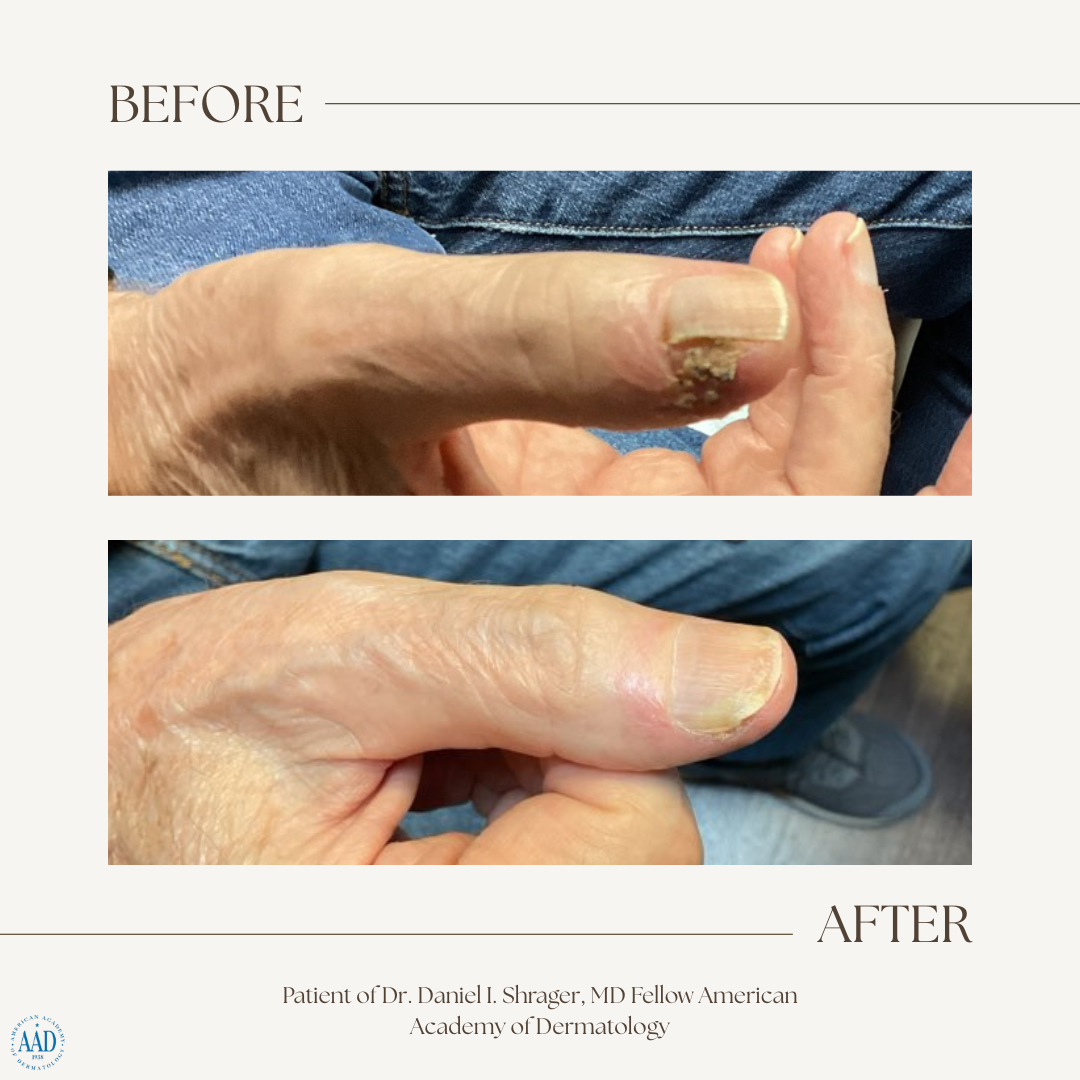
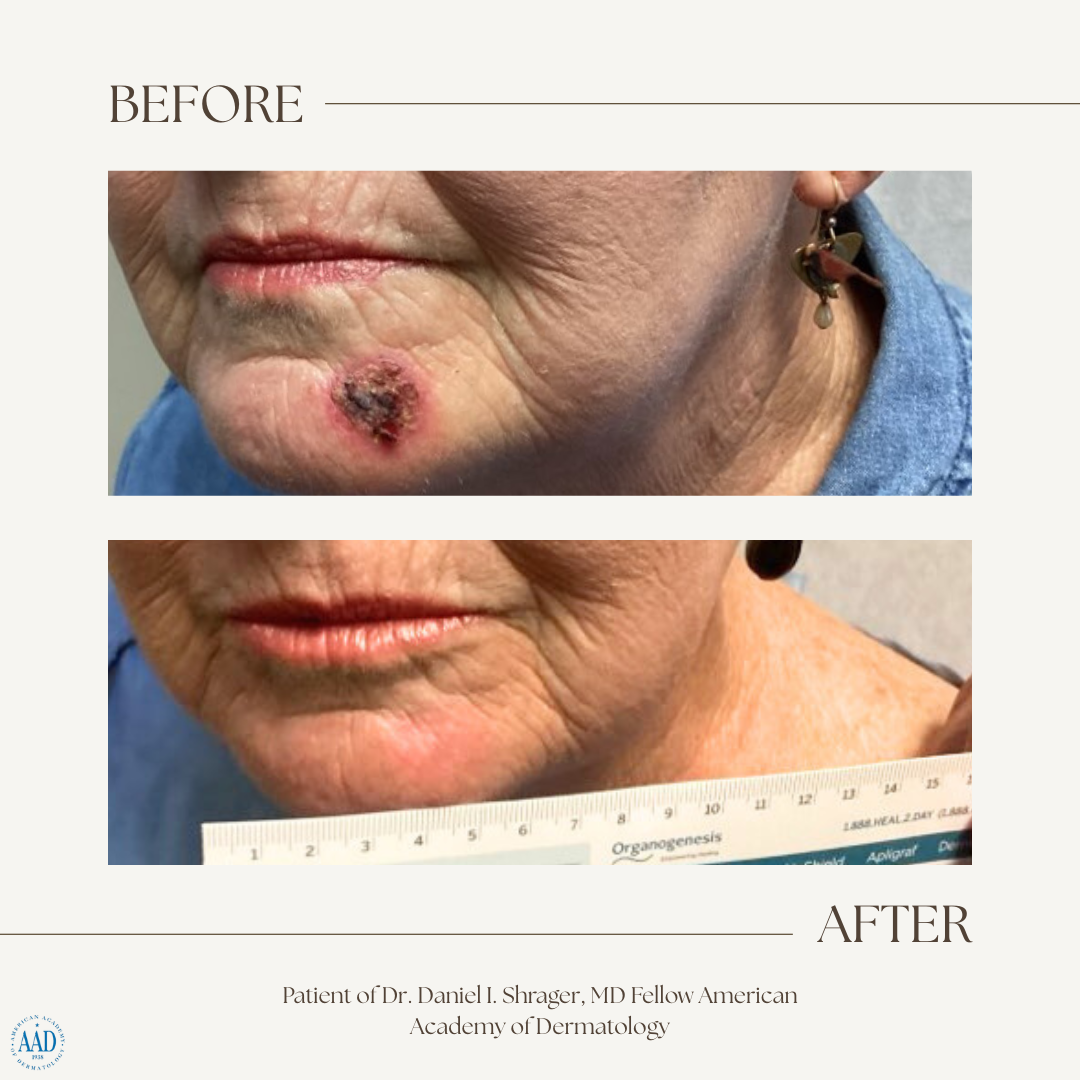
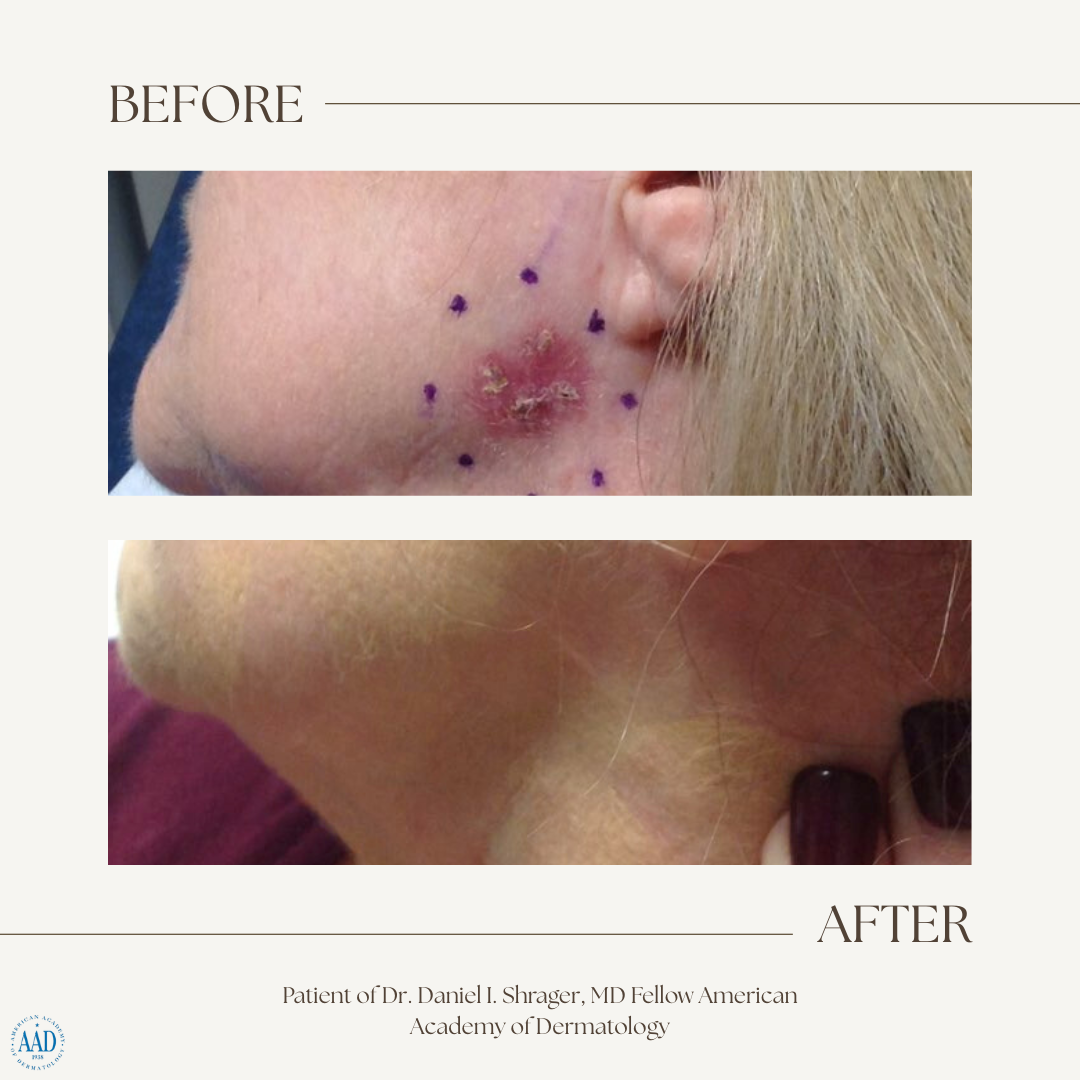
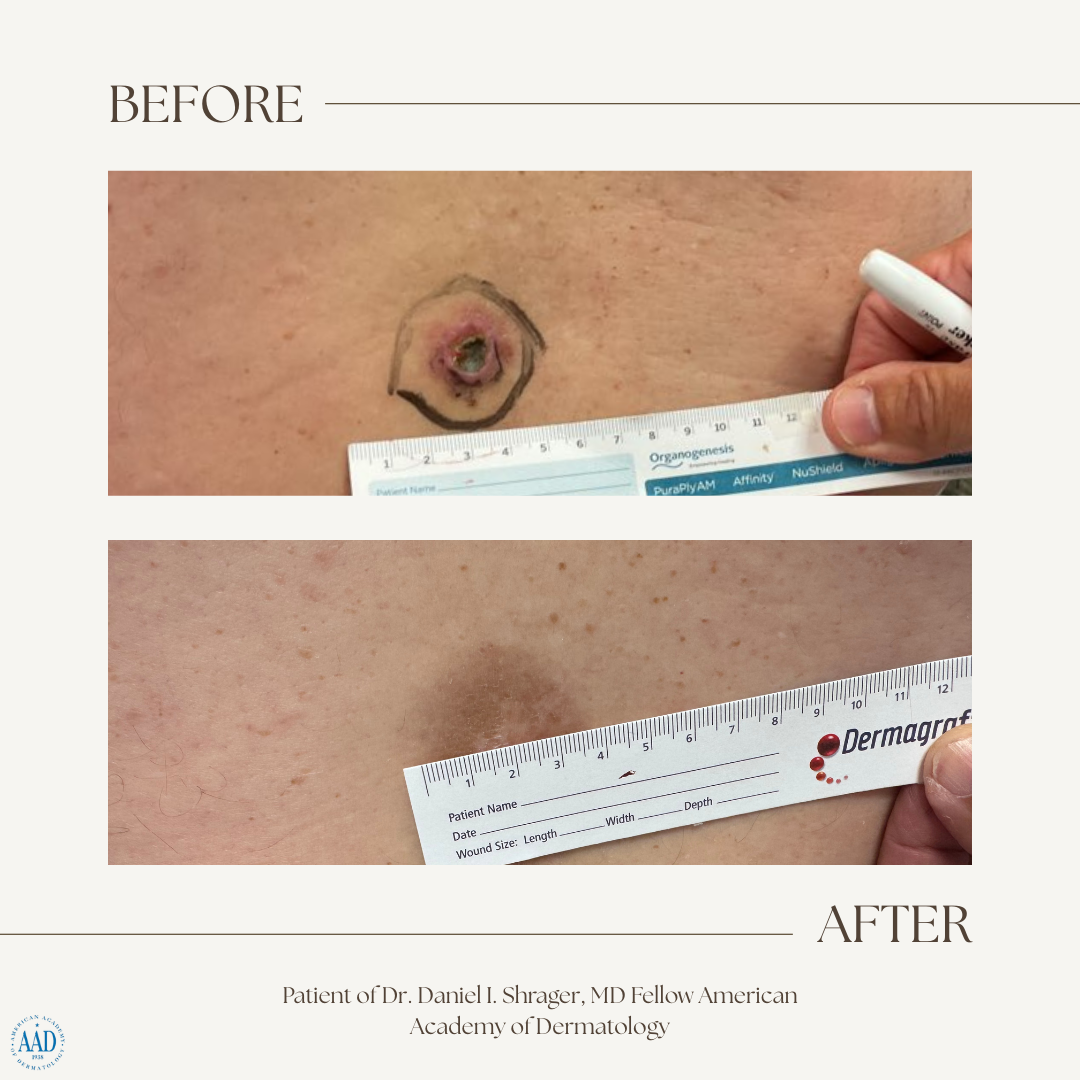
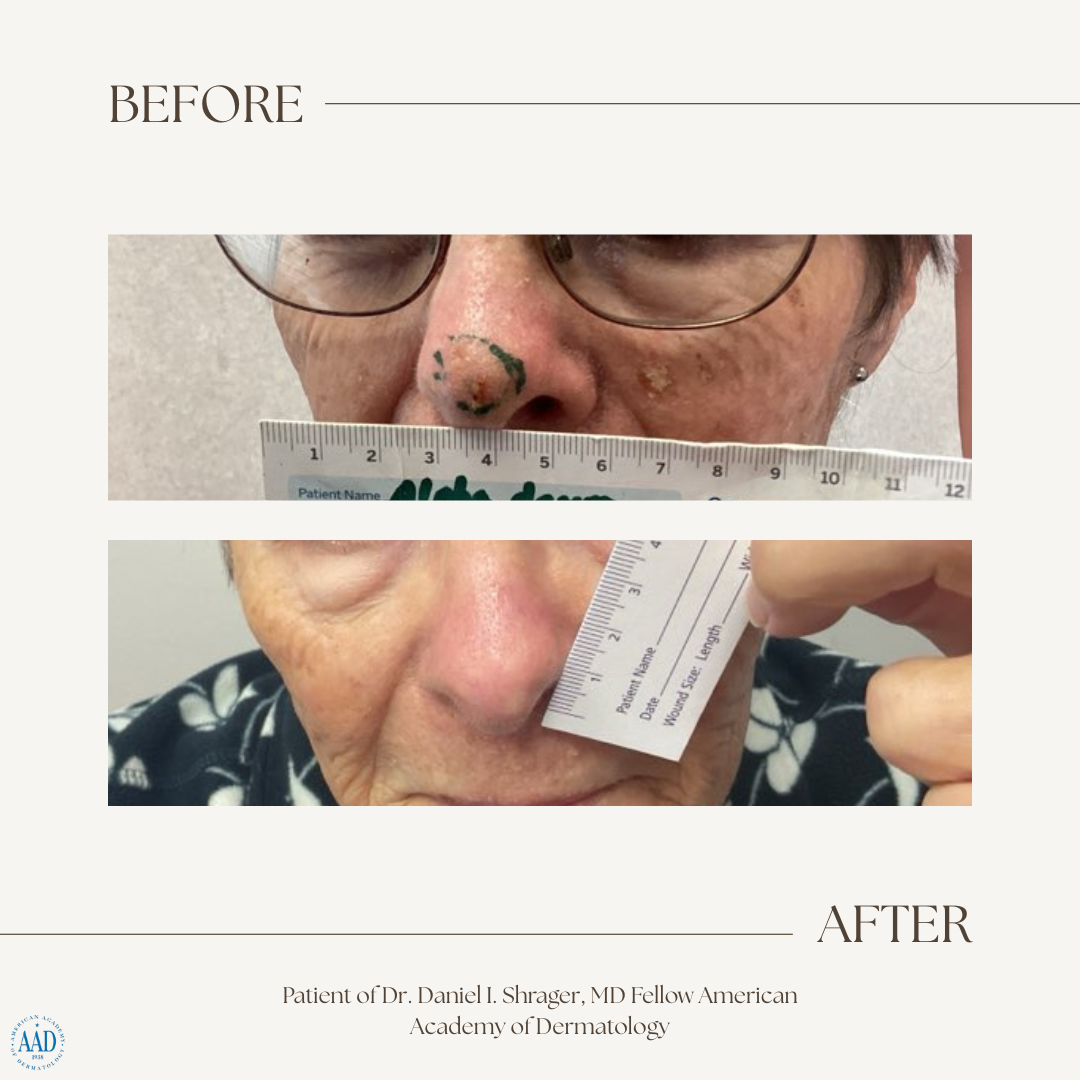
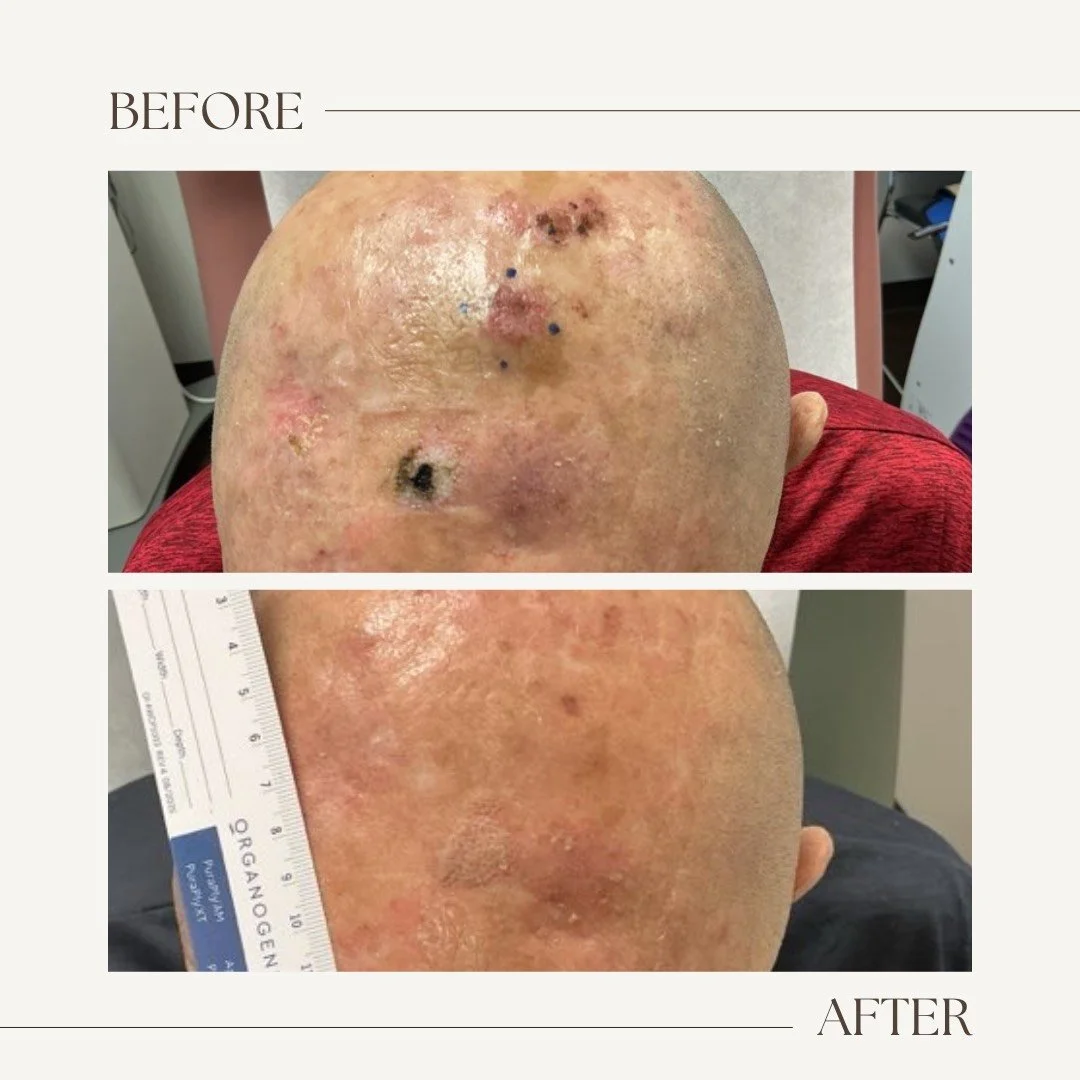
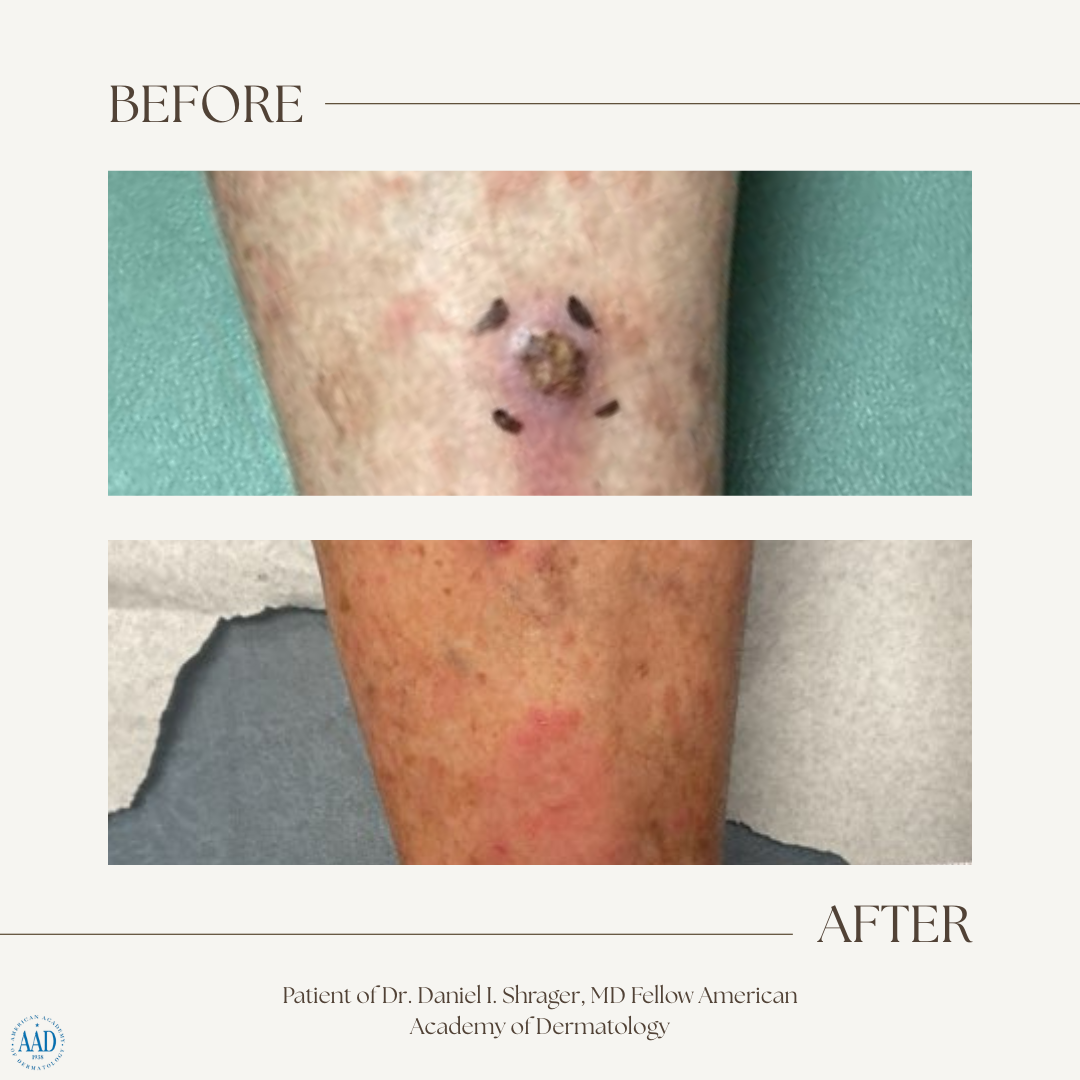
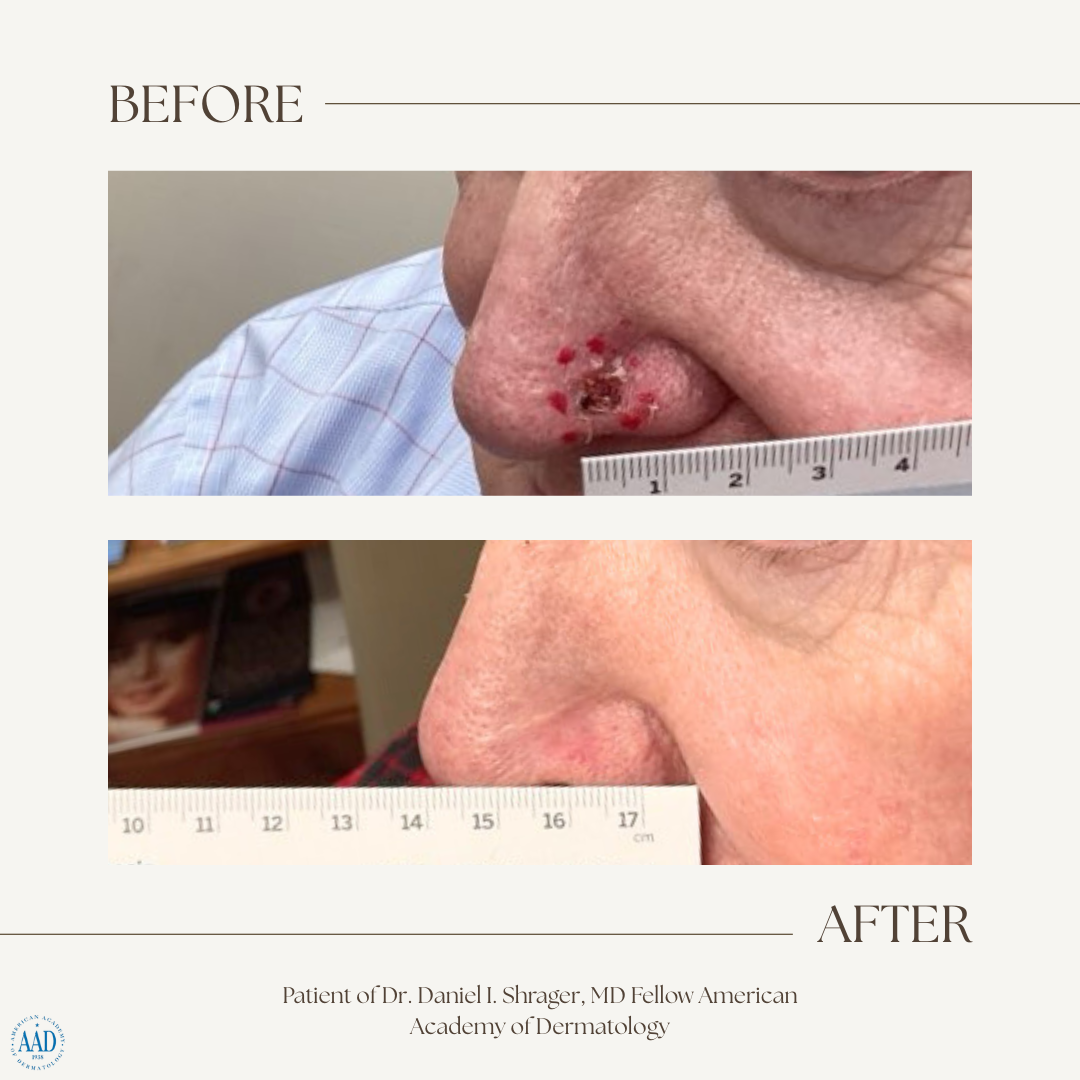
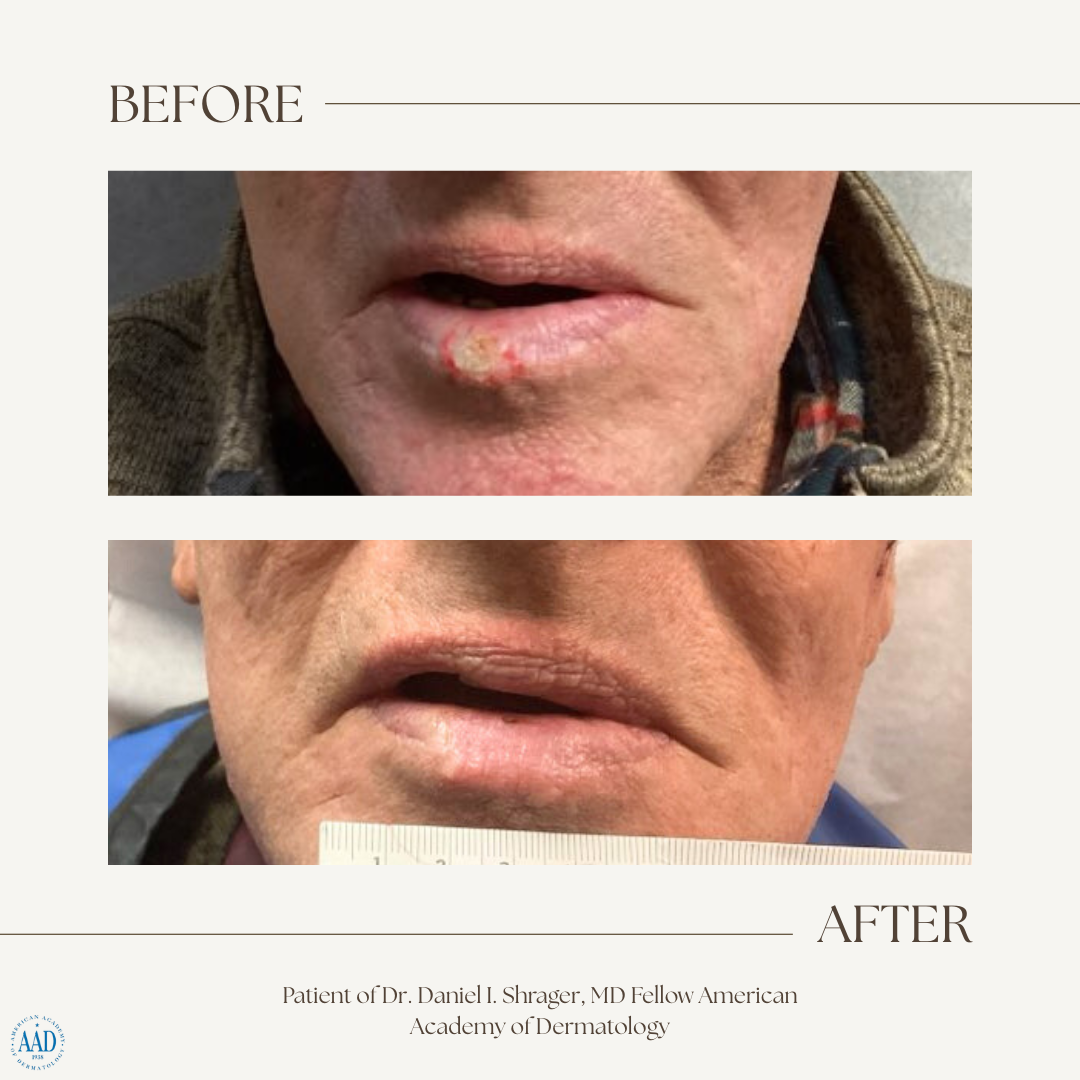
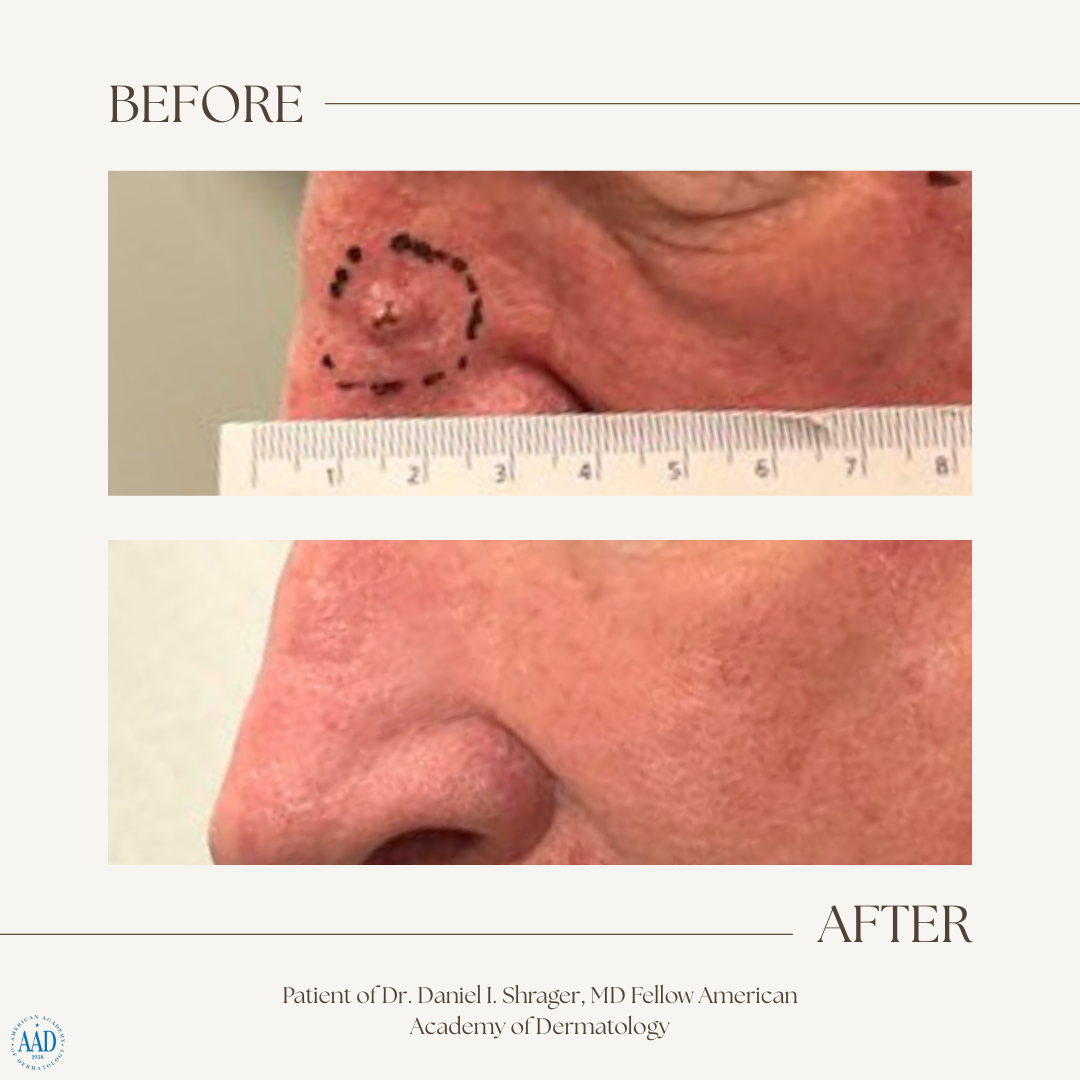
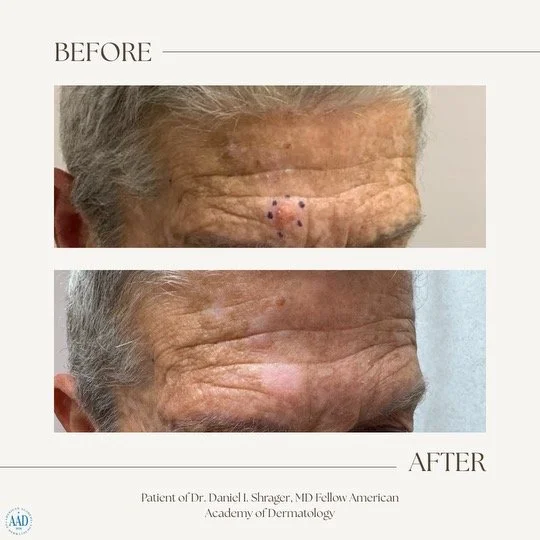
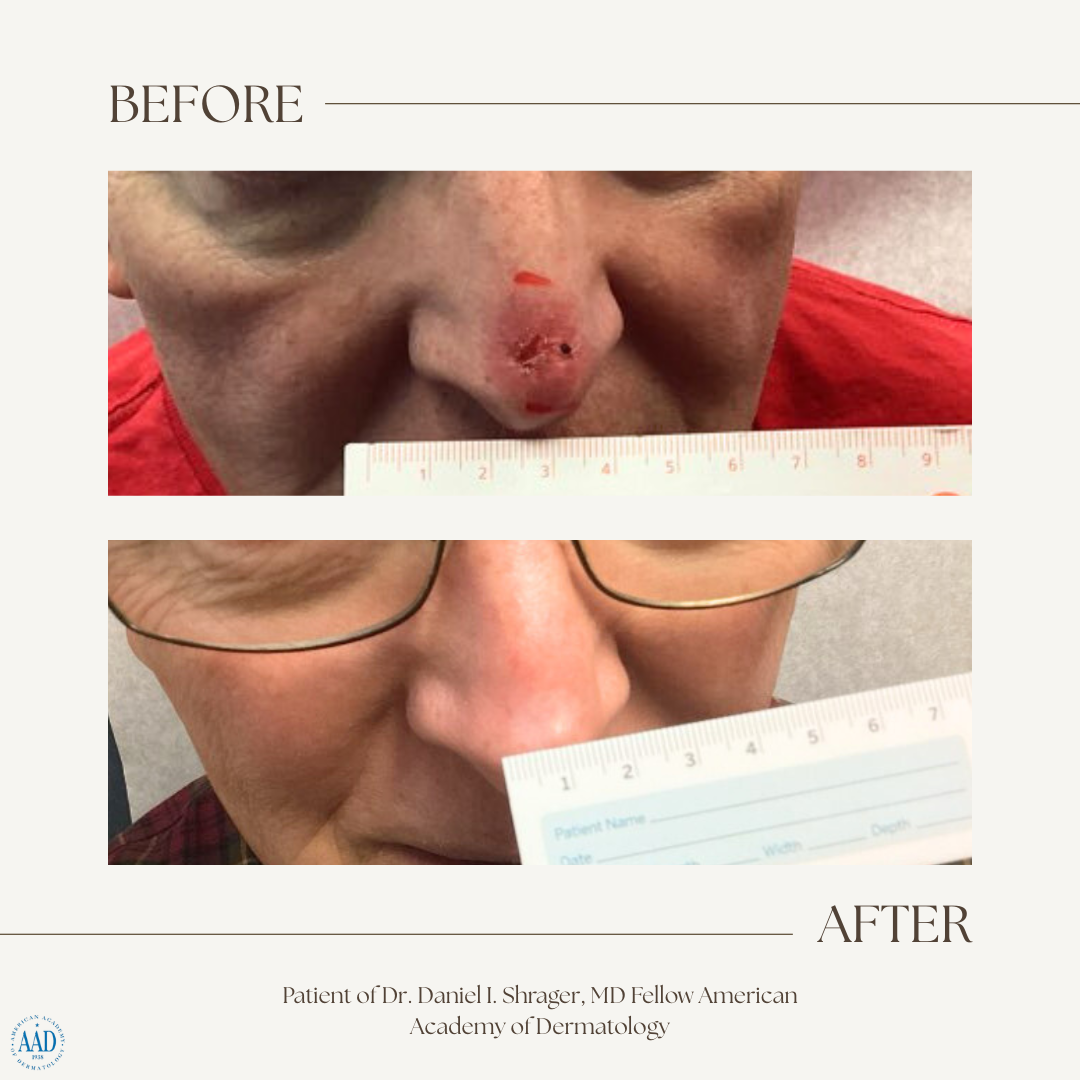
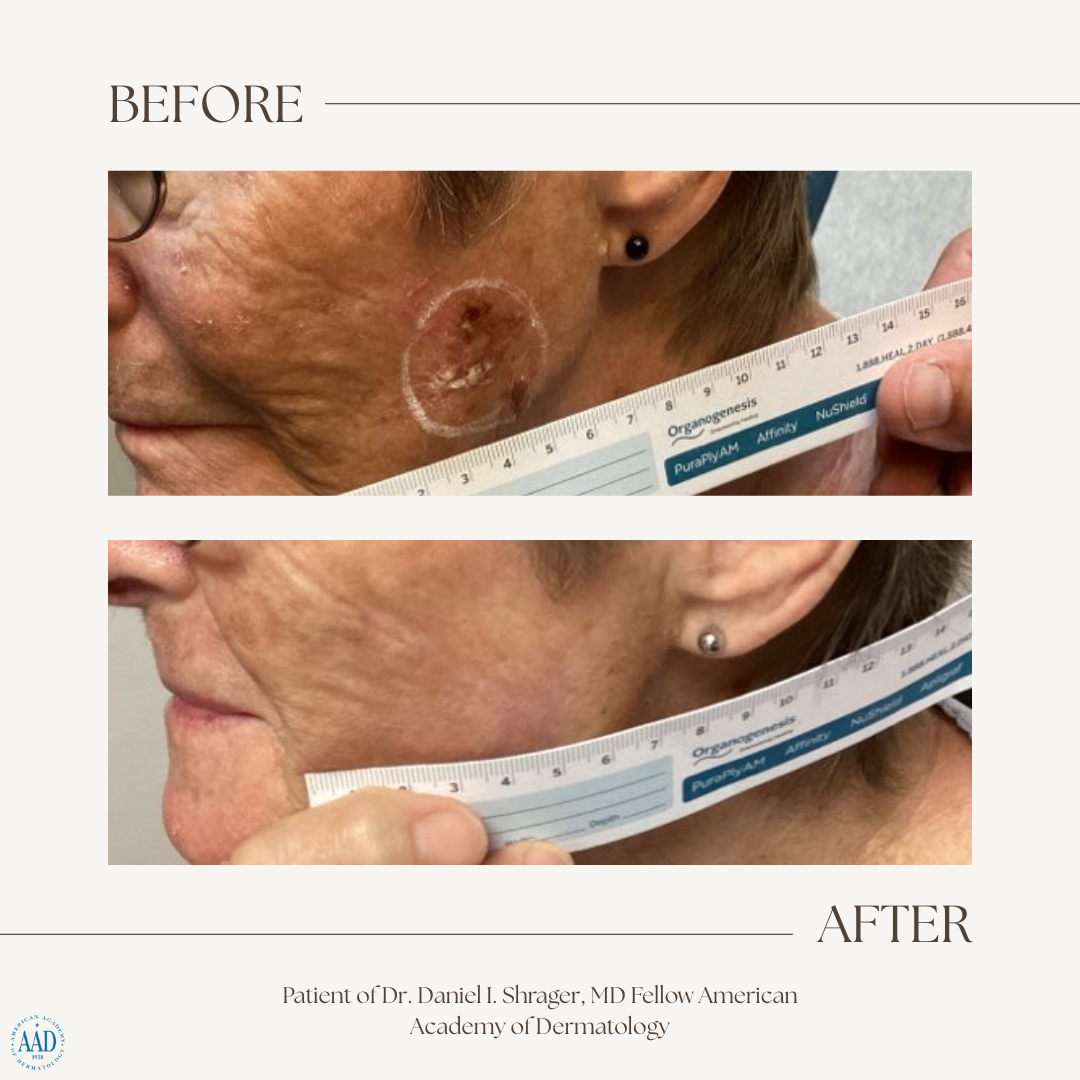
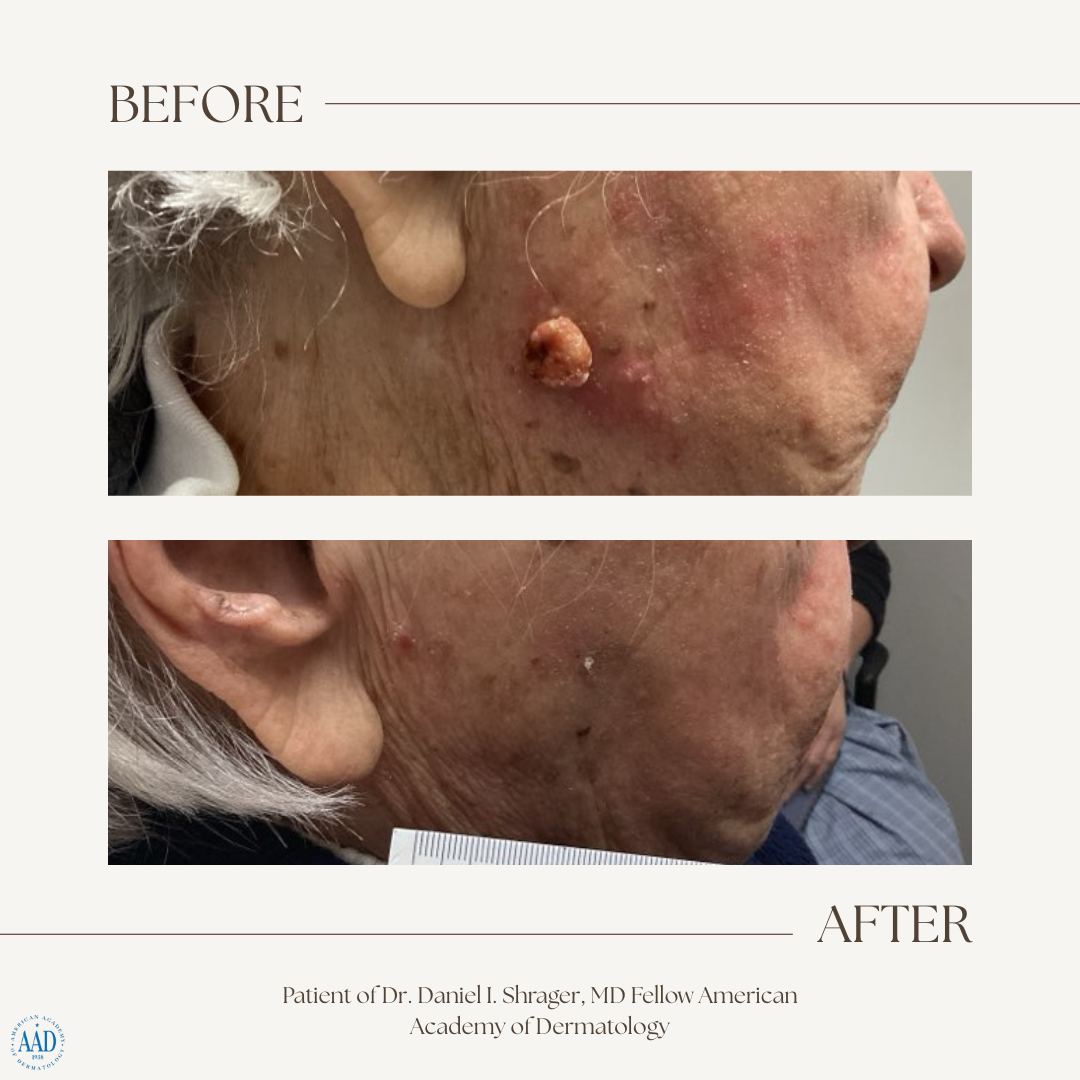
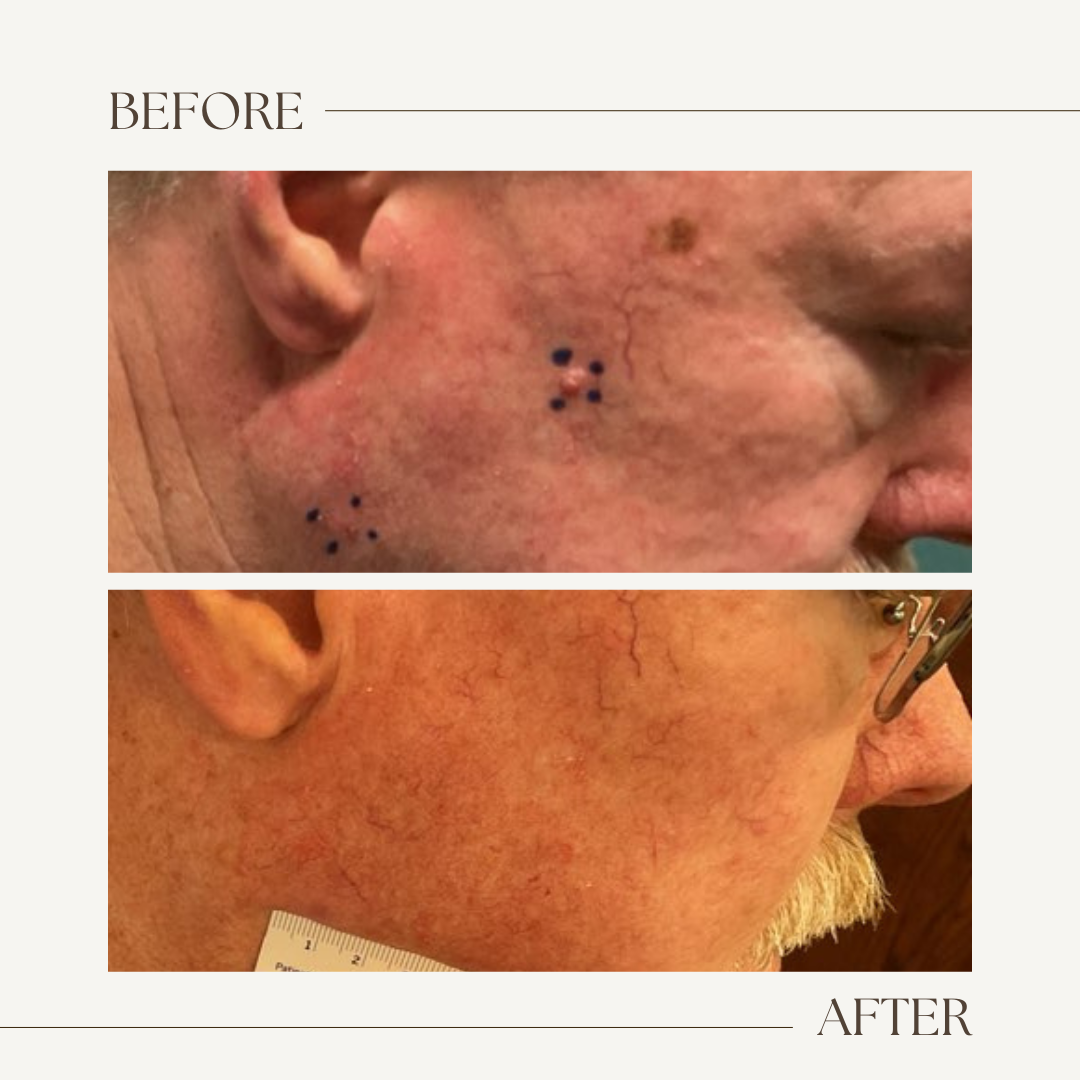
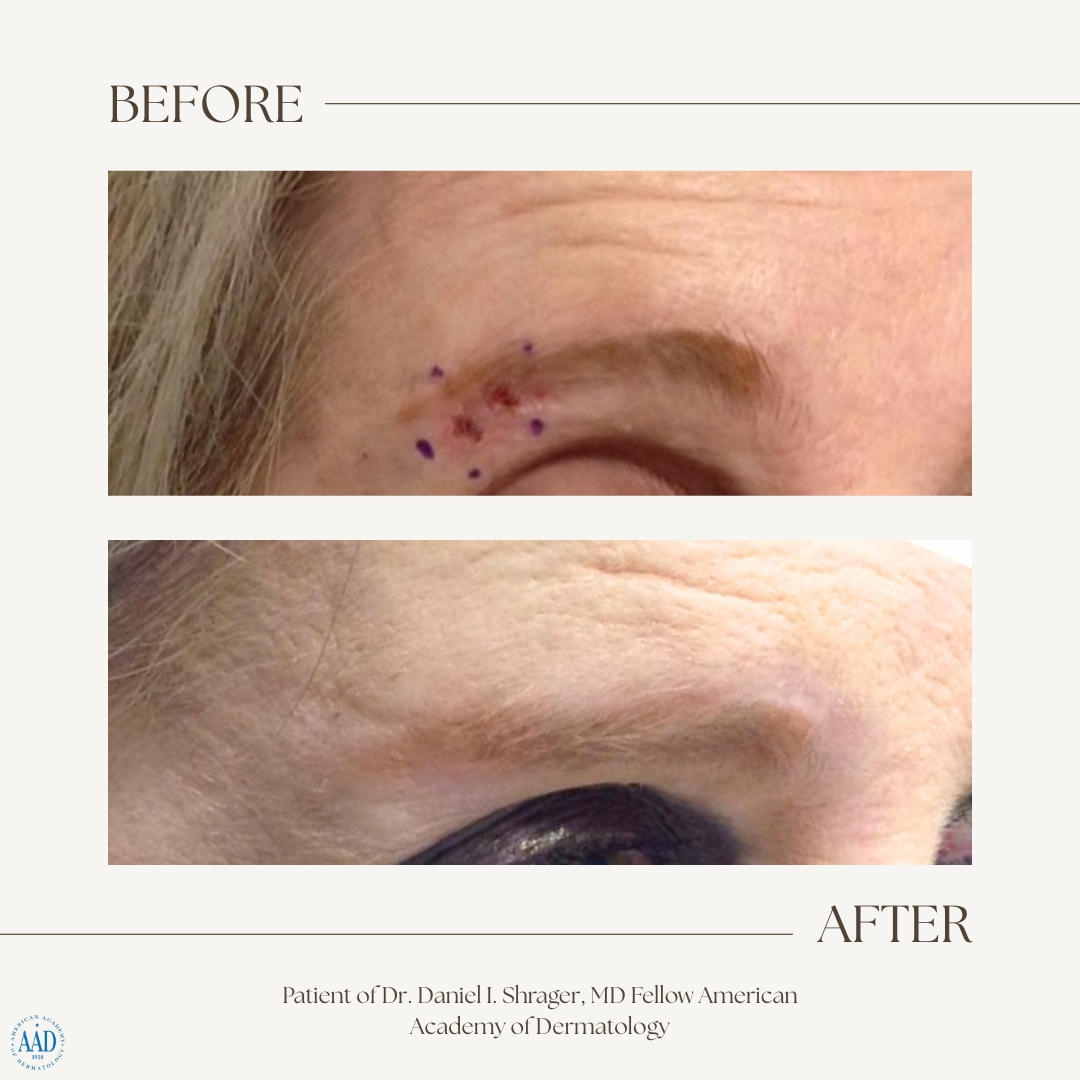
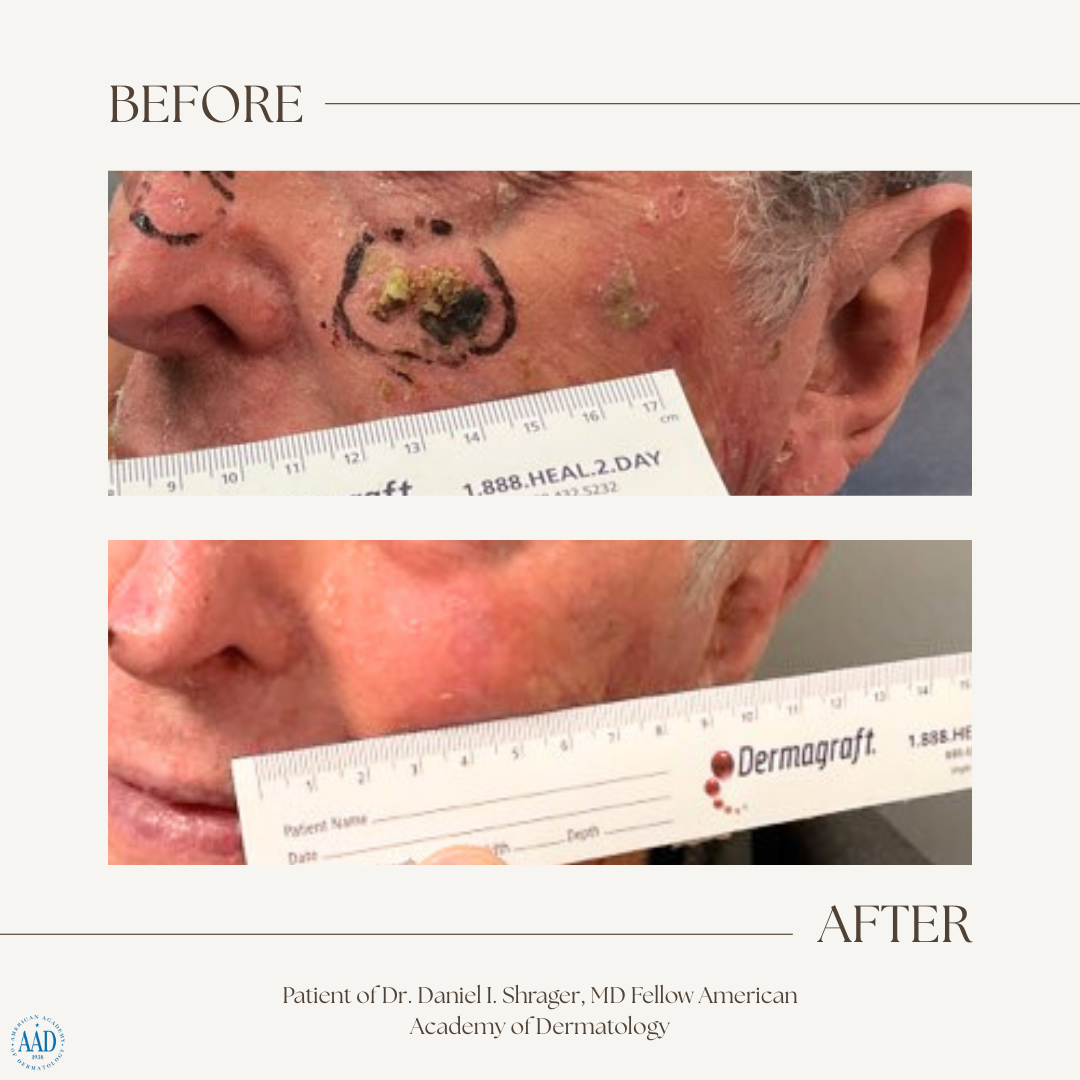
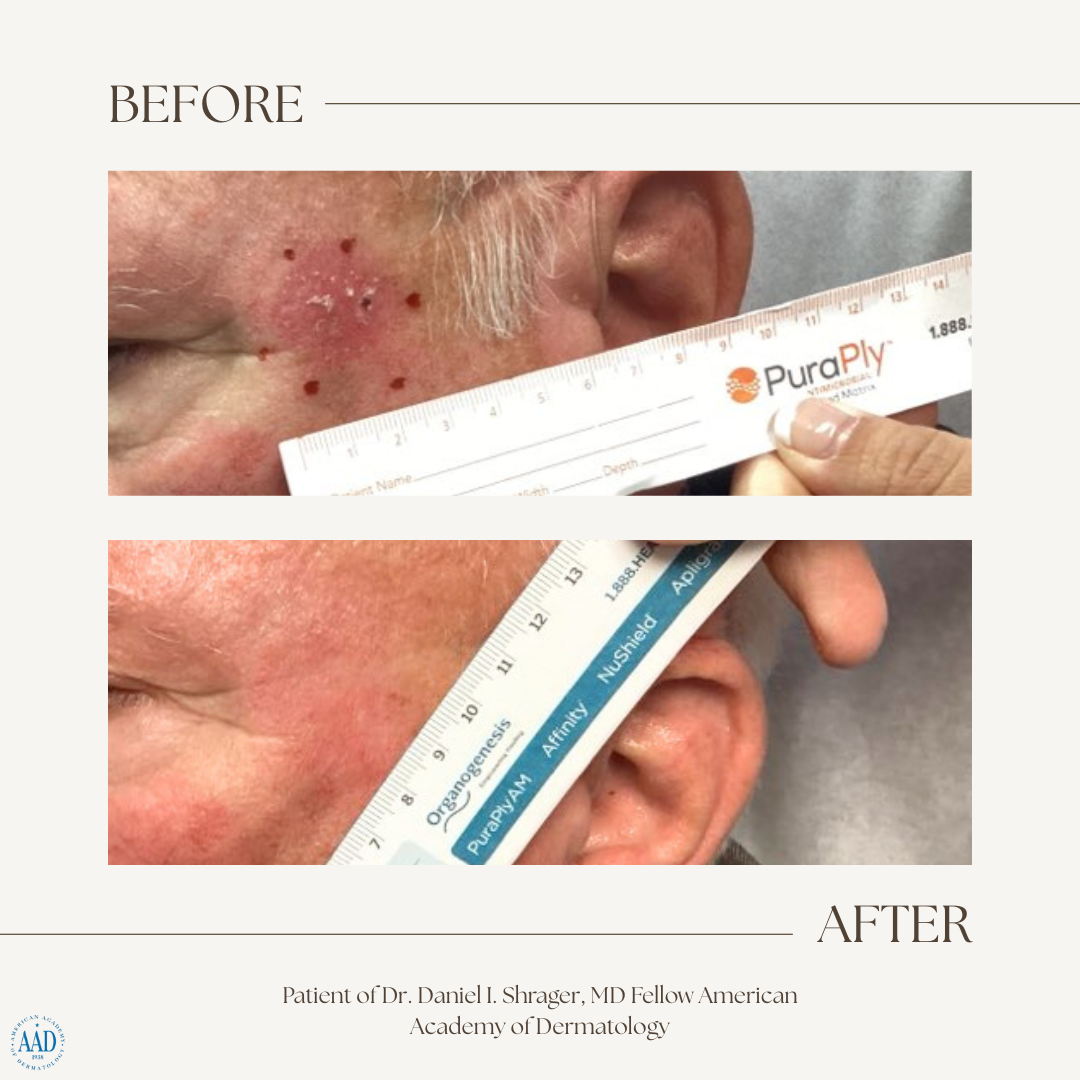
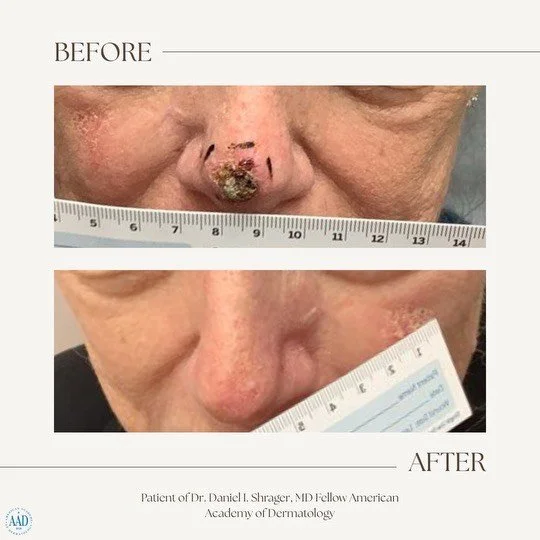
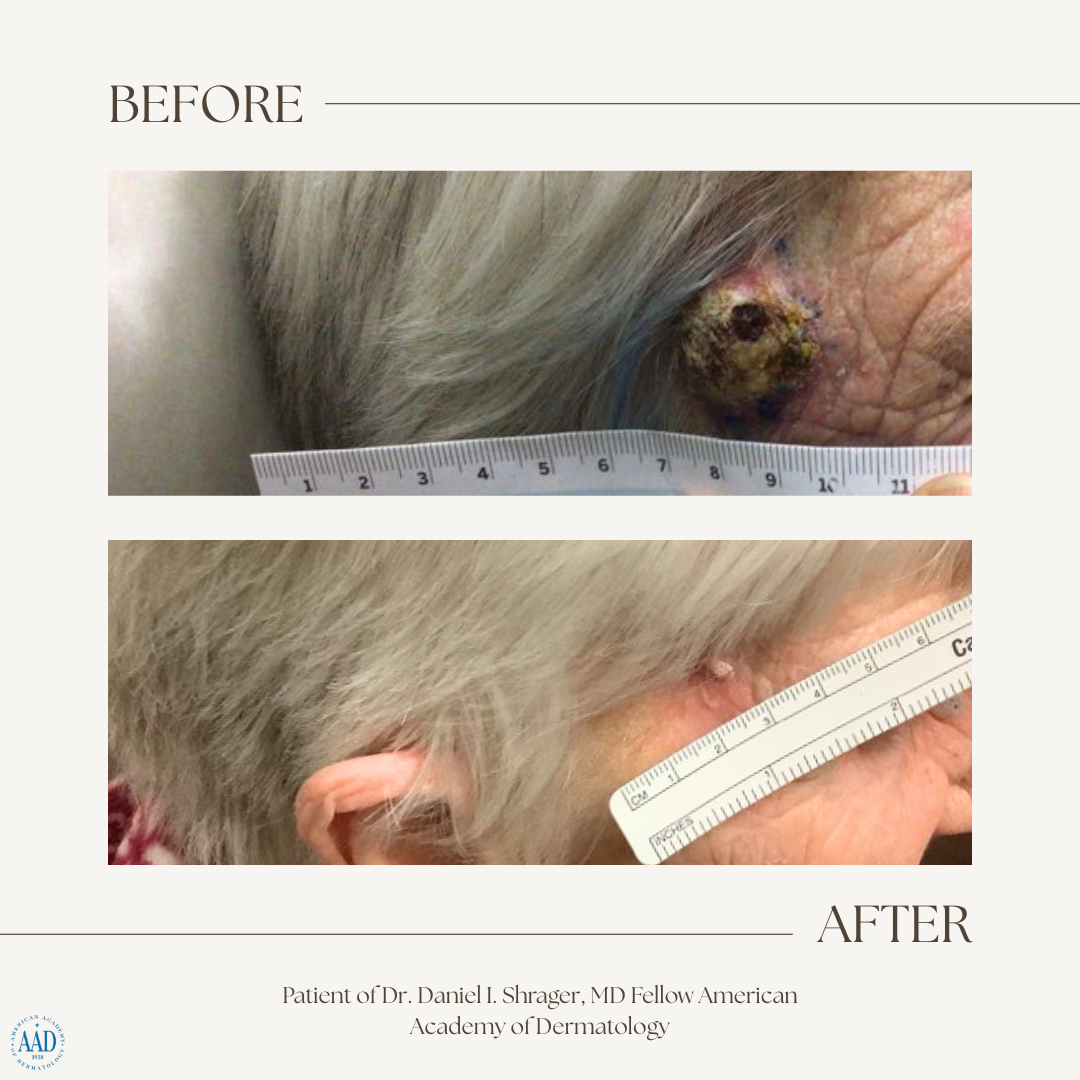
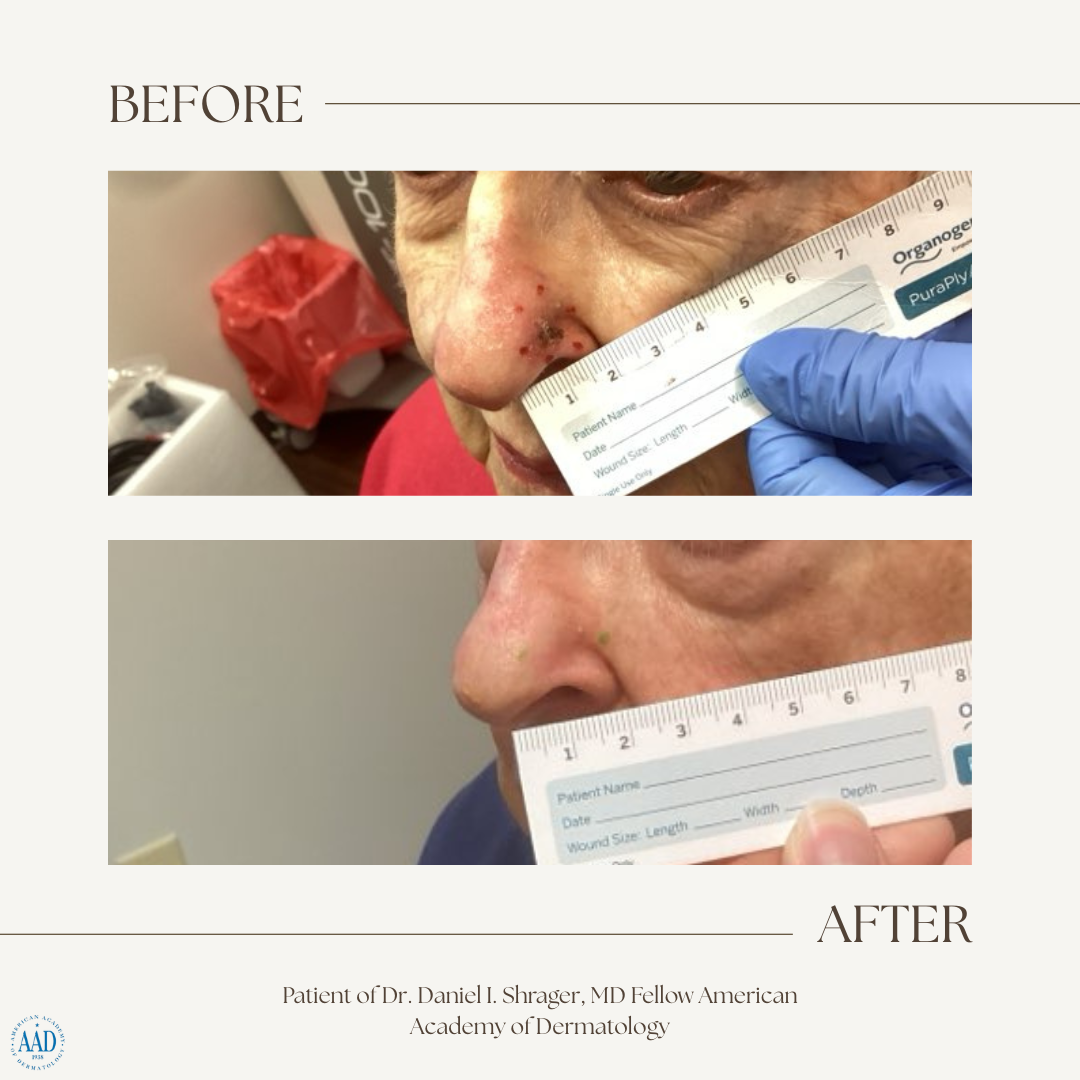
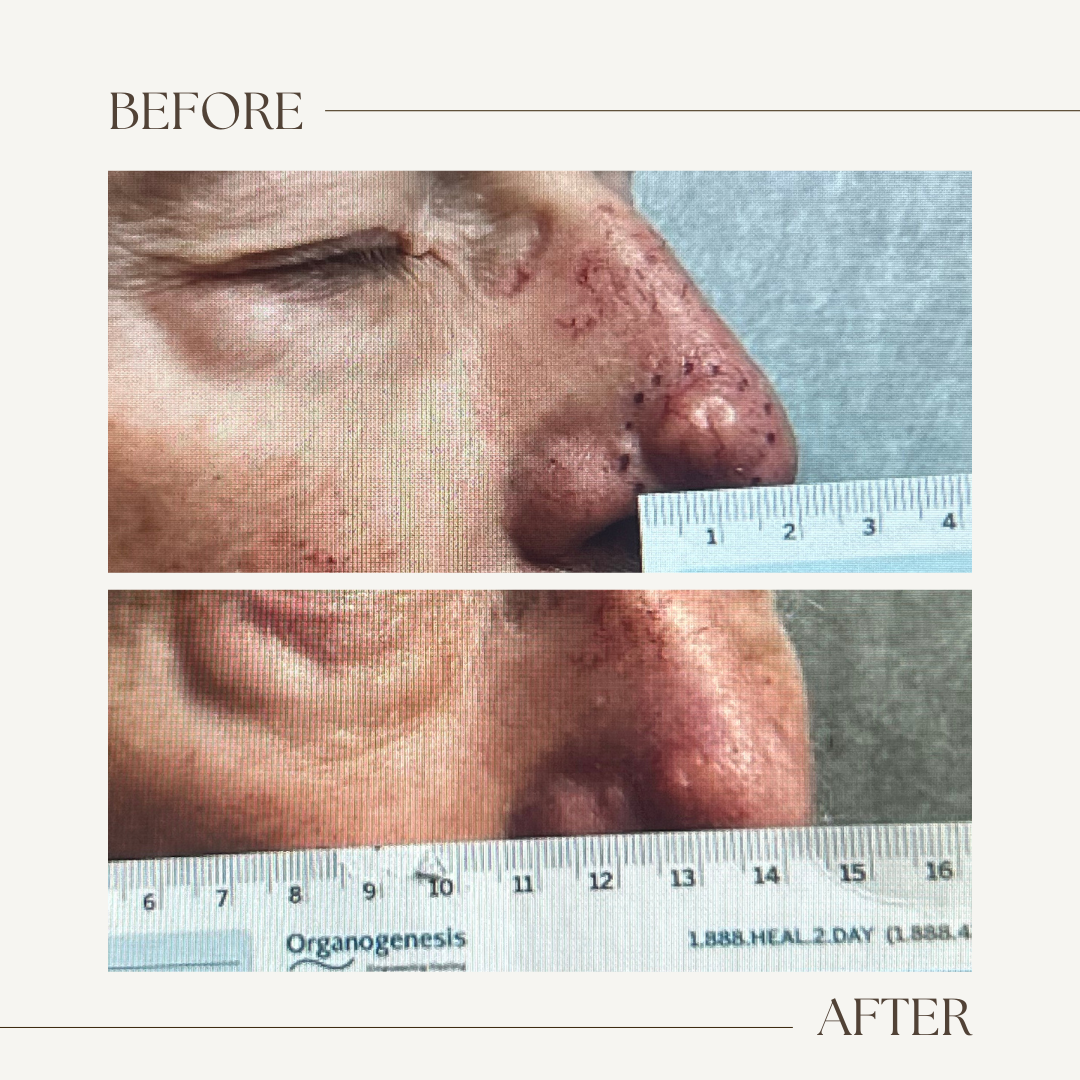
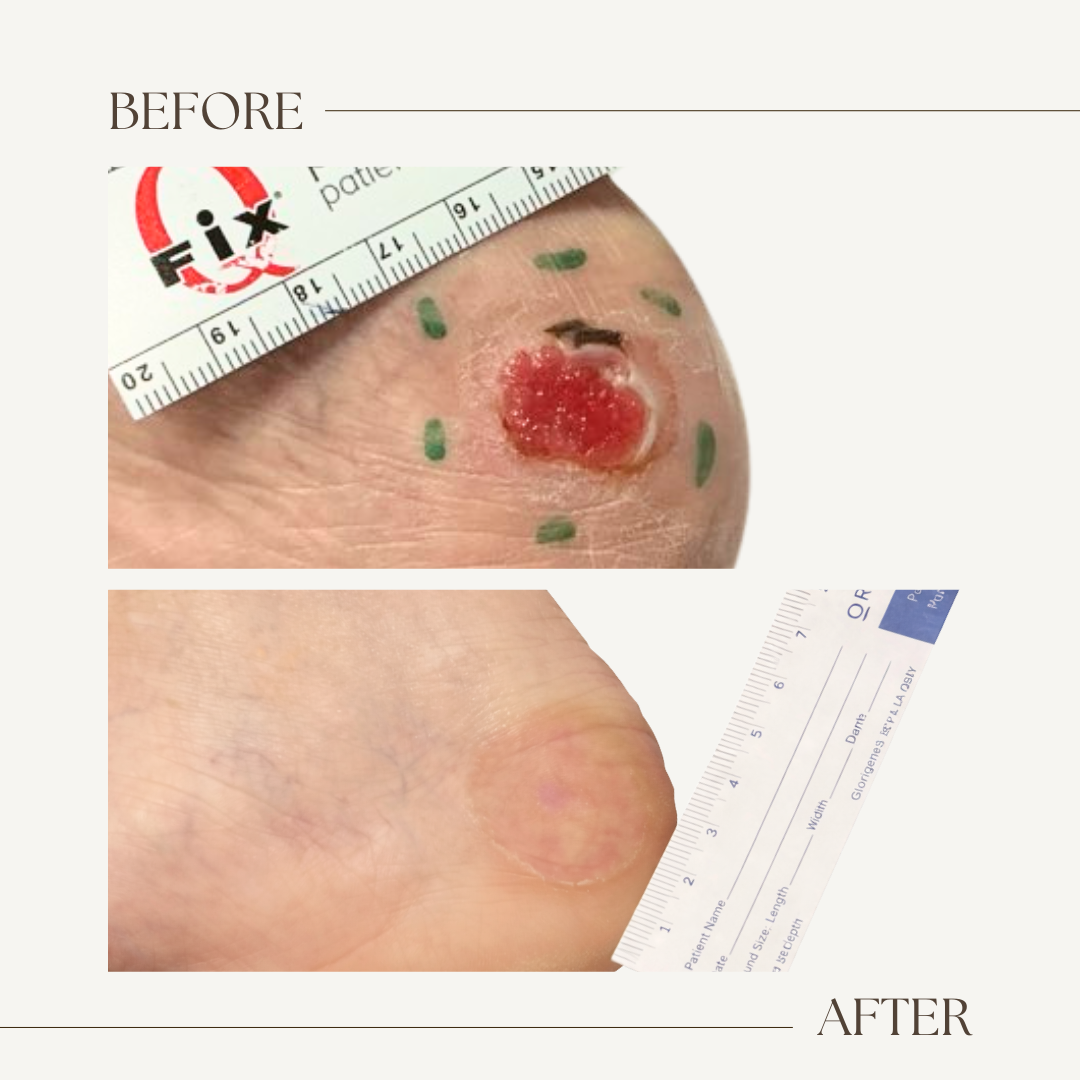
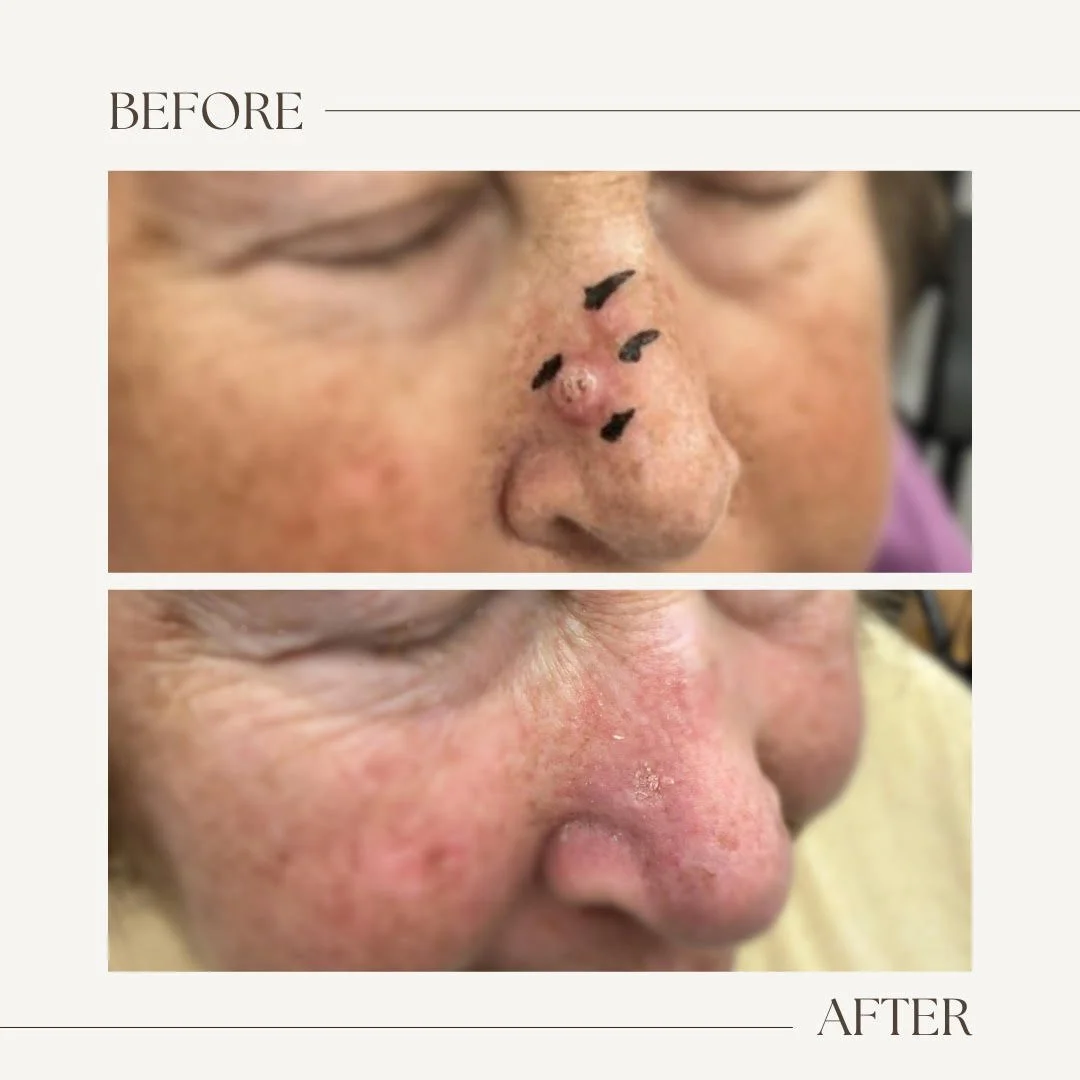
All photos: Patient of Dr. Daniel I. Shrager, MD, Fellow, American Academy of Dermatology. Individual results vary.
Published Research: Dr. Shrager Is a Co-Author of a Multi-Center Electronic Brachytherapy Study
Alpha Dermatology of PA was one of six U.S. centers contributing patients to a post-market observational study of electronic brachytherapy (eBx) for non-melanoma skin cancer, published in the Journal of Contemporary Brachytherapy in 2024. Dr. Daniel I. Shrager is listed as a study author with the affiliation Alpha Dermatology, Sellersville, PA.
Cheng J, Henry GV, Lyden MR, Shrager DI, Swann MH, Stubbs JB, Willard RJ, Lee EK. The Elekta Esteya® electronic brachytherapy system in non-melanoma skin cancers: A post-market observational study. J Contemp Brachytherapy. 2024;16(6):478–488.
PMID: 39943976 · PMCID: PMC11812133 · DOI: 10.5114/jcb.2024.146795
What the study looked at
Patients had pathologically confirmed basal cell or squamous cell carcinoma of clinical stage Tis, T1 or T2 with two or fewer high-risk features — the same low-risk lesions Dr. Shrager typically treats with eBx. Treatment used high-dose-rate electronic brachytherapy delivering a biologically effective dose of 69–72 Gy, with follow-up of up to five years.
Side effects reported
Temporary redness (erythema) was the most common acute effect, seen in 34.1% of patients at one month and resolving by six months. Longer-term effects were limited to expected skin changes such as lightening of the treated area (hypopigmentation) and small visible vessels (telangiectasia). Patients reported strong, sustained quality-of-life scores on the Skin Cancer Index throughout follow-up.
The authors concluded that eBx is a well-tolerated option for patients with low-risk non-melanoma skin cancer who prefer non-surgical treatment — particularly those at higher risk of surgical complications, poor surgical cosmesis, keloid formation, wound-healing problems, or who take blood thinners. Individual results vary; Dr. Shrager will review whether you are a candidate at your consultation.
A Decade of Proven Results
Dr. Shrager has treated thousands of non-melanoma skin cancers with electronic brachytherapy and contributed to peer-reviewed research on its long-term success and cure rates. That track record is why patients from across the region — and beyond — choose Alpha Dermatology.
Read the Study (PDF)Common Questions
Does it hurt?
No. Sessions are painless and require no anesthesia. Some patients notice mild tenderness or dryness of the treated skin later in the course.
How many treatments will I need?
Most courses involve a series of brief visits over several weeks. Dr. Shrager will outline your exact schedule at your consultation.
Is it covered by insurance?
Electronic brachytherapy and SRT are covered by Medicare and most major plans when used to treat eligible skin cancers. Our team verifies your benefits before treatment begins.
What about melanoma?
Electronic brachytherapy is used for basal cell and squamous cell carcinoma. Melanoma is treated differently — see our Melanoma page.
Schedule a Consultation in Sellersville or New Hope
If you've been diagnosed with basal cell or squamous cell carcinoma, ask about a non-surgical option before you schedule surgery. Request an appointment online or call either office.
Sellersville, PA 18960
(215) 257-0196
New Hope, PA 18938
(215) 862-6000