
Superficial Radiotherapy (SRT) for Skin Cancer in Bucks County, PA
Image-guided, low-energy X-ray treatment for basal cell and squamous cell carcinoma — no cutting, no bleeding, no stitches. Offered in Sellersville and New Hope by Dr. Daniel Shrager, who has used SRT and electronic brachytherapy for well over a decade.
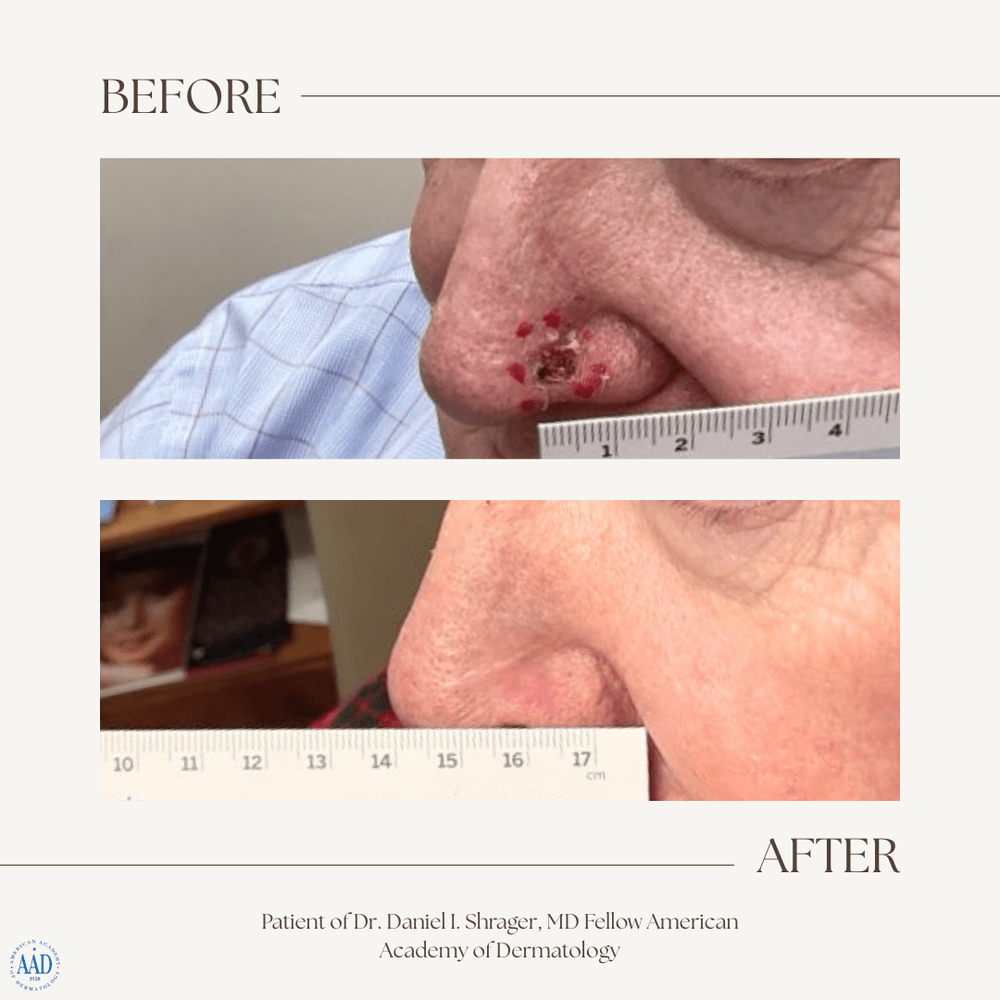
What Skin Cancers Can SRT Treat?
SRT treats basal cell carcinoma and squamous cell carcinoma, the most common non-melanoma skin cancers. It is especially valuable for lesions on the face, ears, scalp, and neck — areas where surgery is difficult or disfiguring — and for patients who want to avoid incisions or whose medical conditions make surgery riskier.
How Does SRT Work?
Calibrated low-energy X-rays are delivered to the cancerous area, damaging the cancer cells' DNA so they stop dividing and die. High-resolution ultrasound lets Dr. Shrager see the tumor's depth and width and customize the dose. Treatment is a series of brief office visits over several weeks, so you can see the cancer shrinking as you go.
What to Expect
Radiation penetrates only the upper layers of skin, protecting the healthy tissue below. Side effects are typically mild and local — redness, dryness, or some tenderness that resolves over time. Visits are short and most patients drive themselves.
Benefits of Superficial Radiotherapy
- No cutting, bleeding, or surgical scarring — and no stitches
- Essentially painless sessions, no anesthesia
- Minimal downtime and minimal wound care
- Published research reports very high cure rates for non-melanoma skin cancers
- Covered by Medicare and most major insurance plans for eligible cancers
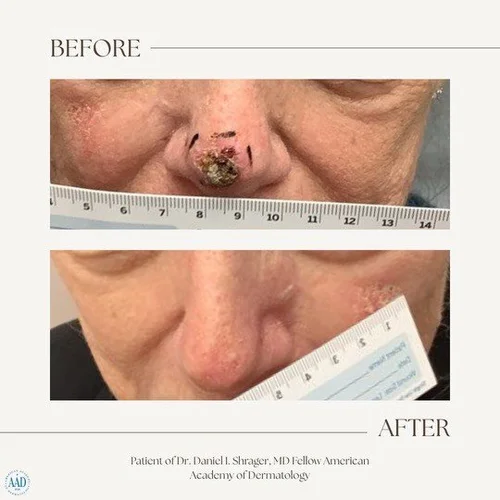
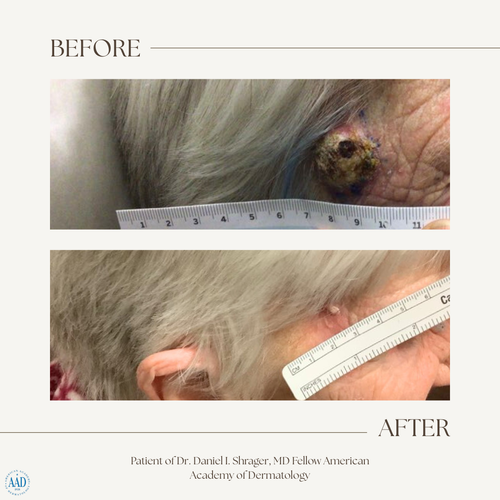
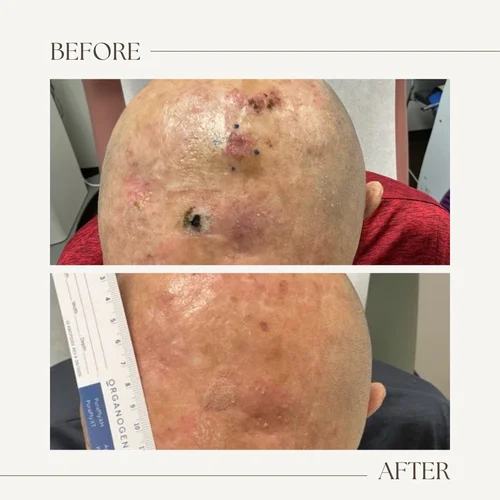
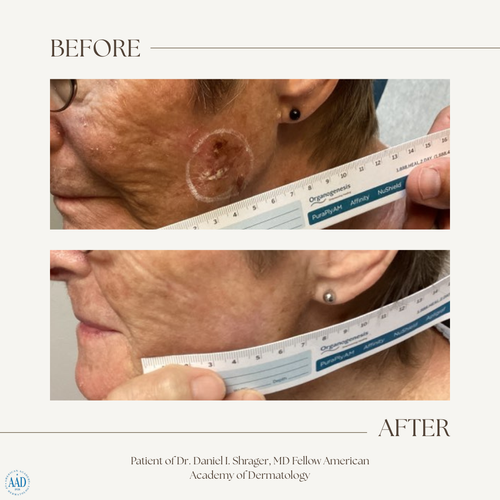
Non-surgical results from Alpha Dermatology patients. Individual results vary. See the full before & after gallery →
SRT or Electronic Brachytherapy — Which Is Right for Me?
Both deliver low-energy radiation to the skin surface without surgery, and both are used at Alpha Dermatology. Dr. Shrager selects the modality based on the tumor's size, depth, and location, and your overall health. In either case, you'll have the same experience: short painless visits, no wound, and a follow-up plan to confirm the cancer is gone.
Is SRT Right for You?
Our board-certified dermatologists in Sellersville and New Hope will review your biopsy and discuss whether SRT, electronic brachytherapy, or surgery best fits your diagnosis.
Sellersville, PA 18960
(215) 257-0196
New Hope, PA 18938
(215) 862-6000